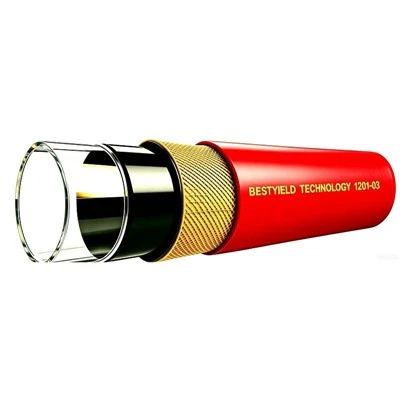
As a supplier in the refrigerant hose industry, I’ve encountered numerous queries from customers about why their refrigerant hoses sometimes clog. In this blog post, I’ll delve into the various factors that can lead to the clogging of refrigerant hoses, exploring the scientific reasons behind each cause and offering insights on how to prevent such issues. Refrigerant Hose
Contaminants in the Refrigerant System
One of the primary culprits behind refrigerant hose clogging is the presence of contaminants within the refrigerant system. These contaminants can enter the system during installation, maintenance, or even over time due to normal wear and tear.
Particulate Matter
Particulate matter, such as dust, dirt, and metal shavings, can find their way into the refrigerant system. During the installation process, if the system is not properly cleaned or if the components are not handled carefully, particles can be introduced. Additionally, as the system operates, the friction between moving parts can generate metal shavings. These particles can then accumulate in the refrigerant hose, gradually restricting the flow of refrigerant and eventually causing a clog.
Moisture
Moisture is another significant contaminant in the refrigerant system. When moisture enters the system, it can react with the refrigerant and lubricant, forming acids. These acids can corrode the internal components of the system, including the refrigerant hose. The corrosion products can then clog the hose. Moreover, in cold environments, the moisture can freeze, causing ice to form inside the hose and block the refrigerant flow.
Lubricant Breakdown
The lubricant used in the refrigerant system is crucial for the proper functioning of the compressor and other components. However, over time, the lubricant can break down due to factors such as high temperatures, chemical reactions, or contamination. The breakdown products can include sludge and varnish, which can accumulate in the refrigerant hose and impede the refrigerant flow.
Physical Damage to the Hose
Physical damage to the refrigerant hose can also lead to clogging. This can occur due to a variety of reasons, including improper installation, external forces, or aging.
Improper Installation
If the refrigerant hose is not installed correctly, it can be subject to kinks, bends, or twists. These deformations can create narrow passages within the hose, reducing the cross-sectional area available for refrigerant flow. As a result, the refrigerant flow rate decreases, and the likelihood of clogging increases. Additionally, if the hose is not properly secured, it can move or vibrate during operation, causing further damage and potentially leading to clogging.
External Forces
The refrigerant hose can be exposed to various external forces, such as impact, abrasion, or pinching. For example, in a crowded equipment room, the hose may be accidentally bumped or crushed by other objects. In industrial settings, the hose may be subject to abrasion from nearby machinery or moving parts. These external forces can damage the hose wall, causing it to collapse or develop internal blockages.
Aging and Wear
Over time, the refrigerant hose can deteriorate due to normal aging and wear. The rubber or plastic materials used in the hose construction can degrade, become brittle, or develop cracks. These cracks can allow contaminants to enter the hose, and the degraded material can break off and cause blockages. Additionally, the hose may lose its flexibility over time, making it more prone to kinking and clogging.
Incompatible Refrigerants and Lubricants
The choice of refrigerant and lubricant is critical for the proper functioning of the refrigerant system. Using incompatible refrigerants or lubricants can lead to chemical reactions and the formation of deposits, which can clog the refrigerant hose.
Refrigerant Mixing
In some cases, incorrect refrigerant may be added to the system, either due to human error or a change in the equipment’s refrigerant requirements. Mixing different refrigerants can cause chemical reactions, leading to the formation of solids or sludge. These substances can accumulate in the refrigerant hose and cause blockages.
Lubricant Compatibility
The lubricant used in the refrigerant system must be compatible with the refrigerant. If an incompatible lubricant is used, it may not dissolve properly in the refrigerant, resulting in the formation of deposits. These deposits can adhere to the inner walls of the refrigerant hose, reducing the flow area and causing clogging.
System Design and Installation Issues
The design and installation of the refrigerant system can also contribute to hose clogging. Poor system design, such as inadequate sizing of the refrigerant lines or improper placement of components, can lead to uneven refrigerant flow and increased pressure drops. These factors can cause the refrigerant to move more slowly through the hose, increasing the likelihood of contaminants settling and clogging the hose.
Inadequate Line Sizing
If the refrigerant lines are undersized, the refrigerant flow velocity will be too high, resulting in increased pressure drops and a higher risk of wear and tear on the components. On the other hand, if the lines are oversized, the refrigerant flow velocity will be too low, allowing contaminants to settle more easily and increasing the likelihood of clogging.
Improper Component Placement
The placement of components such as filters, valves, and heat exchangers can also affect the refrigerant flow and the risk of clogging. For example, if a filter is installed too close to the refrigerant hose, it may not be able to effectively remove all the contaminants, allowing them to enter the hose and cause blockages. Similarly, if a valve is not functioning properly, it can disrupt the refrigerant flow and lead to clogging.
Preventive Measures
To prevent refrigerant hose clogging, it’s essential to take the following preventive measures:
Regular Maintenance
Regular maintenance of the refrigerant system is crucial for preventing clogging. This includes cleaning or replacing filters, checking for leaks, and ensuring that the lubricant level is correct. Additionally, the system should be inspected for any signs of wear or damage, and any worn or damaged components should be replaced promptly.
Proper Installation
During installation, it’s important to follow the manufacturer’s guidelines and best practices. This includes ensuring that the refrigerant hose is properly sized, installed without kinks or bends, and securely fastened. Additionally, the system should be properly cleaned and flushed before installation to remove any contaminants.
Use of High-Quality Components
Using high-quality refrigerant hoses, refrigerants, and lubricants can help reduce the risk of clogging. High-quality components are less likely to degrade or break down, and they are more resistant to contaminants and chemical reactions.
Compatibility Checks
Before adding any refrigerant or lubricant to the system, it’s important to check for compatibility. This can help prevent chemical reactions and the formation of deposits that can clog the refrigerant hose.
Conclusion
In conclusion, refrigerant hose clogging can be caused by a variety of factors, including contaminants in the refrigerant system, physical damage to the hose, incompatible refrigerants and lubricants, and system design and installation issues. By understanding these causes and taking appropriate preventive measures, you can minimize the risk of refrigerant hose clogging and ensure the proper functioning of your refrigerant system.
FKM Hose If you’re in the market for high-quality refrigerant hoses, I invite you to reach out to me. I’m here to provide you with the best products and solutions for your refrigerant system needs. Whether you’re a contractor, an equipment manufacturer, or a facility manager, I can offer you the expertise and support you need to make the right choice. Contact me to start a conversation about your refrigerant hose requirements and let’s work together to find the perfect solution for you.
References
- ASHRAE Handbook – Refrigeration. American Society of Heating, Refrigerating and Air-Conditioning Engineers.
- Refrigerant System Design and Installation Guidelines, various manufacturers.
- Technical papers on refrigerant contaminants and system maintenance.
BESTYIELD Technology (Huizhou) Co., Ltd.
BESTYIELD Technology (Huizhou) Co., Ltd. is one of the most professional refrigerant hose manufacturers and suppliers in China, featured by quality products and good price. Please rest assured to buy durable refrigerant hose made in China here and get quotation from our factory. Customized orders are welcome.
Address: Yinshan Industrial Zone, Liangjing Town, Huiyang District, Huizhou City, Guangdong Province
E-mail: rick@bestyield.net
WebSite: https://www.bestyield.org/
