Hey there! As an LED spotlight supplier, I often get asked about the heat dissipation mechanism of our products. It’s a crucial aspect that can significantly impact the performance and lifespan of LED spotlights. So, let’s dive right in and break it down. LED Spotlight
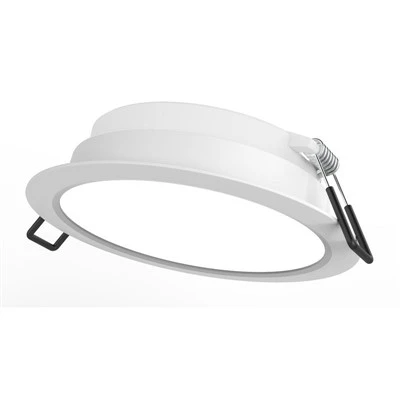
First off, why is heat dissipation so important for LED spotlights? Well, LEDs generate heat when they’re in operation. Unlike traditional incandescent bulbs that produce light by heating a filament, LEDs convert electrical energy into light more efficiently. But they still aren’t 100% efficient, and the excess energy gets released as heat. If this heat isn’t properly managed, it can cause a bunch of problems. High temperatures can reduce the brightness of the LED, change its color output, and even shorten its overall lifespan. So, having an effective heat dissipation mechanism is key to ensuring our LED spotlights work at their best for a long time.
Now, let’s talk about the main components and methods involved in the heat dissipation process.
Heat Generation in LED Spotlights
Before we get into how we get rid of the heat, it’s important to understand where it comes from. The heat in an LED spotlight is mainly generated in two places: the LED chip itself and the driver.
The LED chip is the heart of the spotlight, where the magic of turning electricity into light happens. But as I mentioned earlier, not all of the electrical energy is converted into light; some of it is lost as heat. The driver, on the other hand, is responsible for regulating the electrical current going to the LED. It also generates heat due to the electrical resistance and the conversion processes taking place inside it.
Heat Transfer Methods
There are three main ways heat can be transferred: conduction, convection, and radiation. We use all of these methods in our LED spotlights to keep the heat in check.
Conduction
Conduction is the transfer of heat through a material. In our LED spotlights, we use materials with high thermal conductivity to transfer the heat away from the LED chip and the driver. One of the most common materials we use is aluminum. Aluminum is lightweight, inexpensive, and has excellent thermal conductivity.
The LED chip is usually mounted on a metal core printed circuit board (MCPCB). The MCPCB has a layer of metal (usually aluminum) under the circuit traces that helps conduct heat away from the LED chip. The MCPCB is then attached to a heat sink, which is also made of aluminum. The heat sink has a large surface area, which allows it to absorb the heat from the MCPCB and spread it out.
Convection
Convection is the transfer of heat through the movement of fluids (in this case, air). As the heat sink absorbs heat from the MCPCB, the air around the heat sink gets heated up. Hot air is less dense than cold air, so it rises. As the hot air rises, it is replaced by cooler air, creating a continuous flow of air around the heat sink. This flow of air helps to carry the heat away from the heat sink and into the surrounding environment.
To enhance convection, we design our heat sinks with fins. The fins increase the surface area of the heat sink, which allows more air to come into contact with the heat sink and carry away the heat. We also make sure there is enough space around the heat sink to allow for proper air circulation.
Radiation
Radiation is the transfer of heat through electromagnetic waves. All objects emit heat in the form of infrared radiation. In our LED spotlights, the heat sink and other components emit radiation, which helps to transfer some of the heat away. However, radiation is usually a less significant method of heat transfer compared to conduction and convection.
Design Features for Heat Dissipation
In addition to the heat transfer methods, we also incorporate several design features in our LED spotlights to improve heat dissipation.
Heat Sink Design
As I mentioned earlier, the heat sink is a crucial component in the heat dissipation process. We design our heat sinks with a large surface area and fins to maximize heat transfer through conduction and convection. We also use computer-aided design (CAD) software to optimize the shape and layout of the heat sink to ensure the best possible performance.
Ventilation Holes
We include ventilation holes in our LED spotlights to allow for better air circulation. The ventilation holes allow hot air to escape from the inside of the spotlight and cooler air to enter. This helps to keep the temperature inside the spotlight down and improve the overall efficiency of the heat dissipation system.
Sealing and Waterproofing
While ventilation is important for heat dissipation, we also need to make sure our LED spotlights are sealed and waterproof. We use special gaskets and seals to prevent water and dust from entering the spotlight. However, we design these seals in such a way that they still allow for some air circulation to ensure proper heat dissipation.
Impact of Heat Dissipation on LED Performance
So, how does all this heat dissipation stuff actually affect the performance of our LED spotlights? Well, it has a huge impact.
Brightness
As the temperature of an LED chip increases, its brightness decreases. This is known as thermal droop. By properly managing the heat, we can keep the temperature of the LED chip within an optimal range, which helps to maintain the brightness of the spotlight over time.
Color Quality
High temperatures can also affect the color quality of an LED. As the temperature increases, the color temperature of the LED can shift, making the light appear warmer or cooler than intended. By dissipating heat effectively, we can ensure that the color output of our LED spotlights remains consistent and accurate.
Lifespan
The lifespan of an LED is also affected by temperature. High temperatures can cause the LED chip to degrade faster, reducing its overall lifespan. By keeping the temperature down through proper heat dissipation, we can extend the lifespan of our LED spotlights and provide our customers with a more reliable and long-lasting product.
Conclusion
In conclusion, the heat dissipation mechanism of an LED spotlight is a complex and important aspect of its design. By using materials with high thermal conductivity, incorporating features like heat sinks and ventilation holes, and taking advantage of conduction, convection, and radiation, we can effectively manage the heat generated by our LED spotlights. This not only helps to maintain the brightness, color quality, and lifespan of the spotlights but also ensures that they operate safely and efficiently.
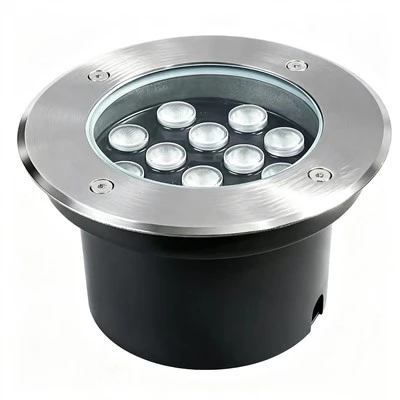
If you’re in the market for high-quality LED spotlights with excellent heat dissipation capabilities, I’d love to chat with you. Whether you’re a homeowner looking to upgrade your lighting or a business owner in need of commercial lighting solutions, we have a wide range of products to meet your needs. Don’t hesitate to reach out to us for a quote or to discuss your specific requirements.
LED Batten Light References
- "LED Lighting Handbook" by Dr. Jerry C. Yang
- "Thermal Management of High-Power LED Lighting" by Yole Développement
- Various technical documents from LED component manufacturers
Debesen (Shanghai) Optoelectronics Technology Co., Ltd.
We are one of the most professional led spotlight manufacturers and suppliers in China, featured by quality products and good service. Please rest assured to wholesale advanced led spotlight in stock here and get quotation from our factory. We also accept customized orders.
Address: No.258 Xiucheng Road, Fengcheng Town Economic Development Zone, Fengxian District, Shanghai
E-mail: Debesen258wendy@163.com
WebSite: https://www.debesen.com/
