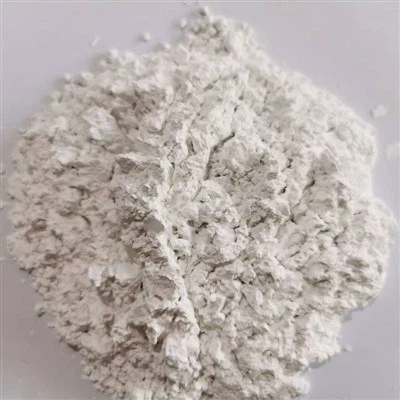
As a supplier of mineral fibers, I’ve often been asked about the potential use of these fibers in food packaging. This question isn’t just a passing curiosity; it touches on the intersection of materials science, food safety, and environmental sustainability. In this blog, I’ll explore the scientific aspects of using mineral fibers in food packaging, the challenges and opportunities it presents, and why it could be a game – changer in the industry. Mineral Fibers
Understanding Mineral Fibers
Mineral fibers are a group of inorganic fibers derived from natural minerals or through synthetic processes. Common types include glass fibers, ceramic fibers, and rock wool. These fibers possess several remarkable properties that make them attractive for various applications. They are known for their high strength, heat resistance, chemical stability, and low thermal conductivity.
In the context of food packaging, these properties can be highly beneficial. For example, the heat resistance of mineral fibers could allow for packaging that can withstand high – temperature processing, such as pasteurization or sterilization. Chemical stability ensures that the fibers won’t react with the food contents, preserving the quality and safety of the food.
Safety Considerations
One of the primary concerns when considering the use of mineral fibers in food packaging is safety. The human body has different responses to different types of fibers. Some mineral fibers, like asbestos, are well – known carcinogens and are strictly prohibited in all food – related applications. However, not all mineral fibers are harmful.
Modern glass fibers, for instance, are made from silica – based materials and are considered safe for many applications. They are chemically inert and do not release harmful substances under normal conditions. Ceramic fibers, which are often made from alumina, silica, and other oxides, also have a good safety record when used appropriately.
To ensure safety, strict regulations and standards need to be followed. In many countries, food contact materials are subject to rigorous testing to determine their suitability. These tests assess factors such as migration of substances from the packaging to the food, potential for fiber release, and overall toxicity. As a supplier, I am committed to providing mineral fibers that meet or exceed these safety standards.
Environmental Impact
In today’s world, environmental sustainability is a major concern. Traditional food packaging materials, such as plastics, have a significant negative impact on the environment. They are often non – biodegradable and contribute to pollution and waste accumulation.
Mineral fibers offer a more sustainable alternative. They are made from abundant natural resources and can be recycled. Glass fibers, for example, can be melted down and reused to make new products. This reduces the demand for virgin materials and helps to conserve resources.
Moreover, the long – term durability of mineral fibers means that food packaging made from these materials can potentially have a longer lifespan. This reduces the frequency of packaging replacement and, in turn, the amount of waste generated.
Performance in Food Packaging
When it comes to the performance of mineral fibers in food packaging, there are several key areas to consider.
Barrier Properties
Food packaging needs to provide a barrier against oxygen, moisture, and other contaminants. Mineral fibers can be engineered to have good barrier properties. For example, glass fibers can be used in composite materials to enhance the oxygen and moisture barrier of the packaging. This helps to extend the shelf – life of the food and maintain its quality.
Mechanical Strength
Mineral fibers have high mechanical strength, which is crucial for food packaging. They can withstand the stresses of handling, transportation, and storage. This reduces the risk of damage to the packaging and the food inside. For example, a food package made with mineral – fiber – reinforced composites is less likely to be punctured or crushed during transit.
Temperature Resistance
As mentioned earlier, the heat resistance of mineral fibers is a significant advantage. It allows for packaging that can be used in high – temperature processes. This is particularly important for foods that require pasteurization or sterilization. Mineral – fiber – based packaging can maintain its integrity and functionality even at elevated temperatures.
Challenges in Using Mineral Fibers in Food Packaging
While there are many potential benefits, there are also challenges associated with using mineral fibers in food packaging.
Cost
The production of mineral fibers can be more expensive than traditional packaging materials like plastics. This is due to the raw materials used, the manufacturing processes involved, and the need for quality control. However, as the demand for sustainable packaging increases, economies of scale may come into play, reducing the cost over time.
Processing Difficulties
Mineral fibers can be difficult to process into the desired packaging shapes. They require specialized equipment and techniques. For example, forming glass fibers into complex packaging designs may require advanced molding processes. This can add to the overall cost and complexity of production.
Consumer Perception
Consumers may be unfamiliar with mineral – fiber – based food packaging. There may be concerns about the safety and environmental impact, even if the fibers meet all the necessary standards. As a supplier, it is important to educate consumers about the benefits of using mineral fibers in food packaging.
Opportunities for the Future
Despite the challenges, there are significant opportunities for the use of mineral fibers in food packaging.
Innovation in Materials
Research is ongoing to develop new types of mineral fibers and composite materials that are more suitable for food packaging. For example, scientists are exploring the use of nanoscale mineral fibers to enhance the performance of packaging materials. These nanocomposites can offer improved barrier properties, mechanical strength, and heat resistance.
Collaboration with the Food Industry
As a supplier, I see great potential in collaborating with food manufacturers and packaging companies. By working together, we can develop customized solutions that meet the specific needs of different food products. This could involve designing packaging that is optimized for a particular type of food, such as fresh produce or processed meats.
Regulatory Support
As the importance of sustainable food packaging becomes more widely recognized, governments and regulatory bodies are likely to provide more support for the use of alternative materials like mineral fibers. This could include incentives for research and development, as well as relaxed regulations for materials that meet certain safety and environmental criteria.
Conclusion
In conclusion, mineral fibers have the potential to revolutionize the food packaging industry. Their unique properties, such as high strength, heat resistance, and chemical stability, make them a promising alternative to traditional packaging materials. While there are challenges to overcome, including cost, processing difficulties, and consumer perception, the opportunities for innovation and collaboration are significant.
Calcium Carbonate As a supplier of mineral fibers, I am excited about the future of this technology. I believe that by working with the food industry and regulatory bodies, we can develop safe, sustainable, and high – performance food packaging solutions. If you are interested in exploring the use of mineral fibers in your food packaging, I encourage you to reach out to me for a discussion. We can work together to find the best solutions for your specific needs.
References
- ASTM International. (20XX). Standards related to food contact materials.
- European Food Safety Authority. (20XX). Scientific opinions on food packaging materials.
- Journal of Food Science and Technology. (20XX). Research on alternative food packaging materials.
Lingshou County LM Mineral Products Co., Ltd.
As one of the most professional mineral fibers manufacturers and suppliers in China, we’re featured by quality products and good service. Please rest assured to buy customized mineral fibers made in China here from our factory. Contact us for more details.
Address: Dongzhuang Village, Nanyanchuan Township, Lingshou County, Shijiazhuang City, Hebei Province
E-mail: lmwtwz@163.com
WebSite: https://www.lmwtz.com/
