When I started my automotive hose accessories supply business 12 years ago, I thought the biggest challenge would be getting garages and manufacturers to trust a new supplier. What I quickly learned, though, is that most people don’t realize how much abuse these small, easy-to-overlook parts take under a vehicle. I’ve spent thousands of hours on the phone with mechanics, visited dozens of repair bays, and watched our products fail in real-world conditions—so I know exactly the kind of damage automotive hose accessories suffer from. Today, I’m pulling back the curtain on what causes these parts to break, why it matters, and how as a supplier we work to prevent it. Automotive Hose Accessories
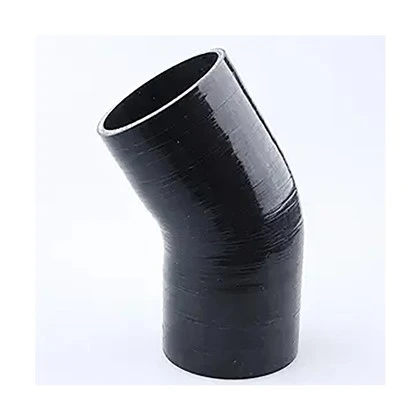
First, let’s define what we’re talking about when we say “automotive hose accessories.” This is more than just the rubber hose that carries coolant or fuel. It’s the clamps that hold hoses tight, the ferrules that reinforce hose ends, the connectors that link different systems, the grommets that seal holes in firewalls, and even the caps that seal off unused ports. Every single one of these parts has a specific job, and every day they’re exposed to forces that were never meant for them. I’ve seen brand-new hose sets fail on a test vehicle before it even left the lot, and I’ve seen a clamp last 15 years on a semi-truck because it was installed correctly and matched the right hose.
The most common damage I see isn’t from a big, obvious crash—it’s from constant, slow exposure to fluids. Automotive hoses and their accessories are in direct contact with everything under the hood: coolant, engine oil, transmission fluid, gasoline, diesel, and even windshield washer fluid. Each of these fluids has a different chemical makeup, and over time they break down the materials our accessories are made of. Take clamps, for example. If a clamp is made of regular steel and is near a battery or a coolant leak, the fluid eats away at the metal, causing rust. Rust makes the clamp weaker, so it can’t hold the hose tight anymore. I had a customer last year who brought in a pickup truck that had lost all its coolant on the highway. When we looked under the hood, the clamp on the main radiator hose was so rusted it had snapped in two—he’d ignored a small leak for months, and the rust had spread faster than he expected. For hose connectors, chemical degradation shows up as cracking or brittleness. If a connector is made of plastic and is exposed to gasoline vapors over years, it gets hard and cracks, leading to leaks. I once worked with a small engine manufacturer who had to recall 200 parts because their plastic fuel connectors were cracking after two years; they were using a material that didn’t resist gasoline well, and we switched them to a nitrile-based connector that’s held up for three years now without a single failure.
Next, there’s physical damage from vibration and movement. Every vehicle vibrates—whether it’s a commuter car driving 40 miles on the highway or a heavy-duty dump truck going over dirt roads. That constant vibration doesn’t just shake you up in the driver’s seat; it shakes the small parts under the hood too. Hose clamps are meant to hold hoses in place, but if they’re not the right size or are installed too tight, the vibration will cause them to rub against the hose or the metal line they’re attached to. Over time, that rubbing wears a hole in the hose, or it wears down the clamp’s screw so it can’t tighten anymore. I’ve also seen grommets suffer from this. Grommets are the rubber or plastic rings that seal hoses where they pass through the firewall or a metal bulkhead. As the engine vibrates, the hose moves back and forth inside the grommet, wearing a groove into the grommet. Once that groove is there, the seal breaks, and fluid starts leaking into the cabin or into other engine parts. Last month, a mechanic brought in a van where the heater core hose was leaking into the passenger footwell. We found the grommet had worn so thin that the hose had rubbed right through it—all because the original grommet was too small, so the hose had extra movement. Vibration also causes metal fatigue in connectors and ferrules. Ferrules are the metal rings crimped onto the end of a hose to give it shape and connect to a fitting. If a ferrule is bent even a little during installation, the constant vibration will cause it to crack, and the hose will pull away from the fitting. I’ve had to send replacement ferrules to a trucking company three times in a year because their installers were bending the ferrules when crimping, not realizing that even a small bend would lead to failure after a few months of rough driving.
Heat is another huge culprit, especially in the engine bay. Modern vehicles run hotter than ever to improve fuel efficiency and reduce emissions, which means the parts around the engine are under constant high temperatures. Rubber hoses and their accessories have a maximum temperature rating, and if they’re exposed to heat above that, they start to break down quickly. Heat makes rubber soft, so hoses can bulge or even burst under pressure. It also makes plastic connectors brittle, as I mentioned earlier. But it’s not just engine heat—exposure to sunlight when a vehicle is parked can cause damage too. Grommets and caps that are on the outside of the engine, or even on a hose that runs along the undercarriage, are exposed to UV rays. UV radiation breaks down the molecular structure of plastic and rubber, making them fade, crack, and lose their elasticity. I had a customer who had a classic car that he only drove on weekends. The original fuel hose caps had become so brittle from 20 years of sun exposure that they crumbled when he tried to take them off to add fuel. He had replaced the hose a few years prior, but he’d never thought to replace the tiny caps—something that cost him only a few dollars from us, but saved him hours of work on his weekend project.
Pressure spikes are a less talked-about cause of damage, but they’re just as dangerous as any other. Every hose system has a normal operating pressure, but when something goes wrong, pressure can jump to way above what the parts are designed for. For example, if a thermostat fails and the engine overheats, coolant pressure in the radiator hose can spike so high that it blows the hose off the fitting, or it can crack the connector holding the hose in place. I once worked with a race team that had a coolant hose burst during a race because their pressure cap was faulty—when the engine hit high RPM, the pressure spiked and the hose couldn’t handle it. The clamps they were using were standard ones, not designed for the high pressure of a race engine, so they slipped. Pressure damage isn’t always catastrophic, though. Even small, repeated pressure spikes over years can weaken parts. Clamps that are used on fuel lines, for example, are subject to constant small pressure changes as the engine runs—when you start the car, fuel pressure goes up, and when you turn it off, it drops. Over time, that constant cycle makes the clamp’s screw or band weak, so it can’t hold the hose tight anymore. I’ve seen this on delivery vans that make hundreds of stop-and-go trips every day—their fuel line clamps wear out faster than those on a car that only drives 10 miles a week.
Environmental factors outside the engine bay also take a toll. For hoses and accessories on the undercarriage, road salt in winter is a nightmare. Salt eats away at metal clamps and lines, causing rust that weakens them, and it can also seep into rubber hoses, breaking them down from the inside. I’m based in a part of the country that gets heavy snow each winter, so we see a lot of this. Last January, a mechanic brought in a sedan with a brake line hose that had rusted through. The clamp holding the hose to the frame was so corroded it had fallen off, and the salt had eaten through the hose. Replacing the clamp and the hose was a $50 job, but it could have turned into a brake failure on the highway if he’d waited a few more weeks. Debris on the road is another issue—small rocks, gravel, and even ice chips can hit the hoses and accessories under the vehicle, causing nicks, cuts, and dents. A small nick in a rubber hose might not seem like a big deal, but as the hose flexes and vibrates, that nick can turn into a hole. I’ve seen a lot of trucks come in with damaged fuel hoses from rock strikes; the damage is tiny at first, but after a month of driving down dirt roads, the hose bursts and leaves the driver stranded.
One thing I’ve learned in this business is that most of this damage is preventable. The number one mistake people make is using the wrong accessory for the job. A lot of garages will grab the cheapest clamp from the parts store, not realizing that a steel clamp is meant for coolant lines but a stainless steel clamp is needed for areas with salt exposure, or a heavy-duty clamp is necessary for high-pressure systems. As a supplier, we don’t just sell parts—we ask questions. When a mechanic calls for a clamp, we want to know what hose it’s for, what system it’s in, what kind of vehicle it’s on, and the conditions it will be exposed to. That way, we can recommend the right part, not just the cheapest one. We also carry a range of materials: stainless steel clamps for salt-prone areas, EPDM rubber hoses for high heat, nitrile connectors for fuel systems, and UV-stabilized grommets for under-hood parts that get sunlight.
Another way we prevent damage is by educating our customers. A few years ago, we started sending out small pamphlets with every order explaining how to inspect hose accessories for common signs of wear: rust on clamps, cracks on connectors, brittle rubber on grommets. We also host free webinars for small repair shops on how to correctly install hose accessories—because a clamp that’s too tight can cause just as much damage as one that’s too loose. Last year, a shop owner told us that after attending our webinar, he’d reduced his call-backs for hose leaks by 40% because he was installing the right parts correctly. That’s the kind of success that makes this job worth it.
I also work closely with small parts manufacturers to test new materials and designs. Two years ago, we partnered with a rubber supplier to develop a new compound for fuel line hoses that resists both chemical degradation and UV damage. We tested it in our own warehouse, leaving samples outside for 18 months, and putting them through pressure and temperature tests. Now, that compound is part of our standard line, and we’ve had almost no failures from fuel hose accessories since we switched. For clamps, we worked with a metal fabricator to create a dual-coated stainless steel clamp that resists rust even better than standard stainless, perfect for areas with heavy road salt.
At the end of the day, automotive hose accessories are small parts, but they play a big role in keeping a vehicle running safely. I’ve seen firsthand how a broken clamp can lead to an overheated engine, how a cracked connector can cause a fuel leak, and how a worn grommet can ruin a passenger’s floor. That’s why we take every order seriously—whether it’s a single grommet for a classic car or a bulk order of clamps for a fleet of delivery trucks, we make sure every part we send is built to handle the conditions it will face.
If you’re a mechanic, a fleet manager, or a vehicle owner who’s tired of dealing with hose failures, we’re here to help. We have a team ready to answer your questions, recommend the right parts for your needs, and ship orders quickly no matter where you are. We don’t just supply automotive hose accessories—we work with our customers to make sure their vehicles run smoothly and safely, every single day.
Contact us to discuss your automotive hose accessory needs today.
Hose Clamp References
Automotive Hose and Fitting Handbook. SAE International.
Rubber Products for Automotive Applications. ASTM International.
Effects of Road Salt on Automotive Components. Journal of Automotive Engineering.
Vibration Fatigue of Engine Bay Components. International Journal of Vehicle Design.
Ningbo Haidu Auto Parts Co., Ltd.
As one of the most professional automotive hose accessories manufacturers and suppliers in China, we’re featured by cheap products and good service. Please rest assured to buy durable automotive hose accessories at competitive price from our factory. Also, OEM service is available.
Address:
E-mail: Sale6@sterlingautoparts.com
WebSite: https://www.cnsiliconehose.com/
