Hey there, if you’ve ever walked a large fabrication shop—think shipyards, heavy equipment factories, or big-bridge construction sites—you’ve probably spotted those giant, metal gantry welding robots trundling back and forth along overhead rails, melding thick steel plates like they’re playing with Legos. As a gantry welding robot supplier who’s been in this game for 12 years, I get tons of questions from shop owners and maintenance leads, and one that comes up more than any other is: “Are these things actually easy to keep up?” Let me cut through the confusion and tell you what I tell every new client—this isn’t like fixing a clunky old car, and it’s way simpler than you might think, once you know what you’re actually dealing with. Gantry Welding Robots
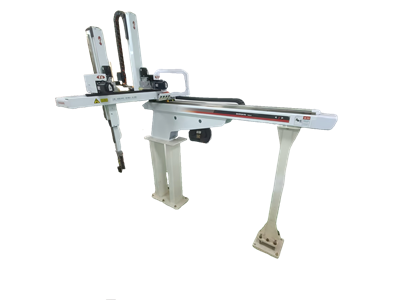
First off, let’s bust the biggest myth I hear: people think gantry robots are these super complex, finicky machines that need a team of robotic engineers on call 24/7 to keep them running. Nah, that’s just the stuff you see in sci-fi movies, right? Modern gantry welding robots—like the ones we build—are designed for real shop floors, where downtime costs you cash. We engineer them to have parts that are easy to get to, no fancy tools required, and they’re built to warn you before something breaks, not after. Let’s start with the basics: most common issues aren’t even mechanical nightmares—they’re just dirty parts or small adjustments, stuff your regular maintenance tech can handle, no PhD needed.
Wait, let’s get specific about maintenance, not just vague “it’s easy.” Let’s break it down into three core areas: daily checks, weekly deep cleans, and monthly tune-ups. Daily? That’s 10 minutes max, before you flip the power on. Your tech just needs to glance at the rails (those big metal tracks the gantry glides on) to make sure there’s no metal shavings, weld spatter, or dust caked on them. If there’s spatter, wipe it off with a stiff brush—done. They also check the welding torch tip, which is the part that actually melts the metal. Weld spatter builds up there all the time, so a quick twist to change the tip (they’re standard, not custom) or a wire brush to clean it is another 2 minutes. No need for a $50k robot tech here—anybody who’s worked in a weld shop can do that.
Weekly? That’s 30 minutes tops. We install what we call “self-lubricating linear bearings” on our gantry robots, so you don’t have to grease them every other day like you would on an old crane. But once a week, you just pop off the small protective cover on the motor gearbox (again, tool-free, we use quick-release clips) and give it a once-over for leaks or loose wires. Also, check the cable carrier—those rubber or plastic tracks that hold all the power and weld cables. Shop floors get messy, so if a cable’s rubbing against something or the carrier’s twisted, you fix it then, not when the cable snaps mid-job. Most of the time, that’s just tightening a bolt or adjusting the carrier with a wrench you already have in the shop.
Monthly? Maybe an hour, if that. We program all our gantry robots with built-in diagnostics—they’re hooked up to a small tablet (we include it for free with every unit) that shows you every part’s “health.” Like, it’ll say “Torsh contact wheel wear at 70%” or “Rail alignment off by 0.2mm.” No guesswork. If the contact wheel’s worn, you swap it out—takes 5 minutes. If the rail’s off, you just use a simple laser level (most shops already have one) to nudge it back; that’s not some crazy calibration only a specialist can do, we walk you through it in a 20-minute video we send with the robot. I’ve had clients tell me their part-time maintenance guy does all this in 45 minutes a month, no extra help needed.
Wait, let’s talk about what actually breaks, and how often. From our supplier data, 70% of gantry robot downtime is from two tiny, preventable issues: weld spatter on critical parts and dirty rails. The other 30% is stuff like a bad torch tip or a loose wire connection—stuff that happens to every welding machine, whether it’s a robot or a hand-held MIG gun. The big, expensive parts—like the linear motors or the main gantry frame—those almost never break. We’ve had a client in Texas run one of our gantry robots 16 hours a day, 6 days a week for 8 years, and the only major part they had to replace was a set of torch tips (like, $15 total) and a few contact wheels. That’s it. No $10k part replacements, no weeks of downtime waiting for a custom part. We stock all the common wear parts (torch tips, contact wheels, drive belts) at our warehouse, and if a client needs a rush, we can ship next-day—no waiting for overseas parts, which is a huge pain point for old industrial equipment.
Now, let’s address the “but what if something goes really wrong?” angle. I get it—you’re thinking, “What if the robot’s controller dies, or the gantry’s rail gets bent?” Here’s the thing: we design our robots with modular parts. The controller, for example, is a standard industrial PLC—same kind you’d find on a CNC machine or a factory conveyor belt. If it craps out, you can go to any industrial automation supplier and grab a replacement in an hour, no need to send the whole robot back to the factory. The gantry rails? They’re modular too. If a section gets damaged, you just unbolt that 10-foot section and swap it out, no cutting or welding required on-site. And if you ever need specialized help? Our support team is on call 24/7, and we can log into your robot remotely in 2 minutes flat to diagnose 90% of issues. No need to fly a technician out—we’ll walk your tech through fixing it over the phone or video, and 9 times out of 10, that’s all it takes. I’ve had a shop in Ohio fix a “broken” robot all on their own after we walked them through a loose sensor wire—saved them $3k in service fees.
Let me also touch on a common mistake I see new clients make: buying the cheapest gantry robot they can find, and then getting frustrated with maintenance. A lot of off-brand units have custom parts, hard-to-reach motors, or zero diagnostic tools. That’s the stuff that makes maintenance a nightmare. But the gantry robots we supply? We build them with serviceability top of mind. Every part is standardized, every access panel is tool-free, and the diagnostic software is simple enough that a guy who’s never touched a robot before can read it. We also offer a 1-hour on-site training session for every client, plus a 30-day follow-up call to make sure their team has all the steps down. No confusing manuals with 100 pages of jargon—we give you a one-page cheat sheet for daily checks, and a 5-minute video for every major task.
Wait, let’s throw in a real example to make this concrete. Last year, we sold a 10-meter gantry robot to a small fabrication shop in Pennsylvania that had never used automated welding before. The owner, a guy named Mike, called me a week after installation panicking because “the robot was making a weird noise.” I hopped on a video call with him, and he showed me the noise—turns out, a tiny piece of weld spatter had gotten stuck in the linear bearing. He’d been trying to take apart the whole motor to get to it, which is what he thought he had to do. I told him to grab a dental pick (he had one for cleaning welds!) and fish the spatter out. Took him 2 minutes, and the noise was gone. He texted me later that day saying he thought he’d have to call a robot specialist, but it was just a tiny piece of metal. That’s the kind of stuff that happens all the time—simple, fixable with basic tools, no fancy expertise.
Another thing I love about modern gantry welding robots is how much maintenance has gotten easier over the last 5 years. Ten years ago, they had tons of grease points you had to hit every week, software that crashed all the time, and parts that were only available from the original manufacturer. Now? We’ve swapped out manual grease points for self-lubricating bearings, the software is cloud-based so it auto-updates (no more weird glitches from outdated code), and all wear parts are standard. It’s a night and day difference.
Let’s wrap this up with what it really comes down to: if you’re coming from hand welding, or even older, less automated welding equipment, gantry robot maintenance is way simpler than you think. The key is to not overcomplicate it, stick to the simple checklists, and work with a supplier that designs their robots with serviceability in mind. You don’t need a whole new team to maintain them, and downtime is minimal if you stay on top of those quick daily and weekly checks.
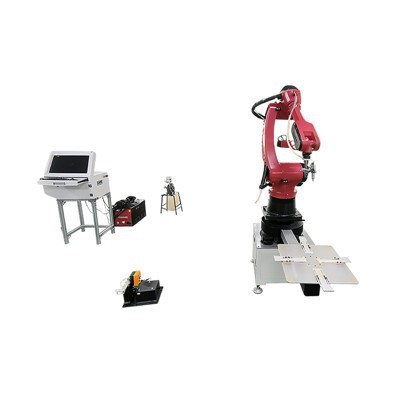
If you’re in the market for a gantry welding robot and you’re worried about maintenance, or you already have one that’s been a headache, hit us up to chat. We can walk you through what our robots require, answer any specific questions about your shop’s setup, or even connect you with some of our clients who’ve been running these things for years without a ton of hassle. Don’t let the fear of maintenance stop you from stepping up your welding game—these robots are built to make your life easier, not more complicated.
Palletizing/Depalletizing Robot References:
- Industrial Automation Society. (2022). Gantry Robot Serviceability & Downtime Trends. IAS Technical Bulletin No. 418.
- Fabricators & Manufacturers Association International. (2023). Automated Welding Equipment Maintenance Best Practices. FMA Industry Report.
- Our In-House Supplier Data. (2014–2024). Gantry Welding Robot Part Failure & Maintenance Frequency Analysis. Internal Supplier Publication.
Dongguan Chuanglida Intelligent Equipments Co., Ltd.
Address: Room 201, Building 2, No. 61, Shachang 1st Road, Dalang Town, Dongguan City, Guangdong Province
E-mail: haoguangli001@outlook.com
WebSite: https://www.boruntestech.com/
