Identifying a high-quality ball valve is crucial for various industries, from oil and gas to water treatment and manufacturing. As a ball valve supplier with years of experience in the industry, I’ve witnessed firsthand the impacts of choosing the right or wrong valves on the efficiency and safety of a system. In this blog, I’ll share my insights on how to spot a high-quality ball valve, ensuring that your operations run smoothly and efficiently. Ball Valve
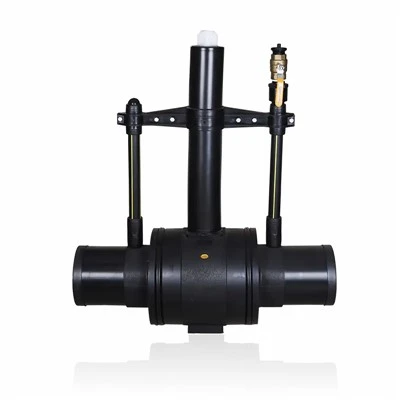
Material Quality
The first and perhaps most fundamental aspect of a high-quality ball valve is the material it’s made from. The materials must be able to withstand the conditions in which the valve will operate, including temperature, pressure, and the nature of the fluid or gas passing through it.
For the valve body, common materials include stainless steel, carbon steel, brass, and bronze. Stainless steel is highly resistant to corrosion, making it ideal for applications where the valve will be exposed to harsh chemicals or moisture. Carbon steel, on the other hand, is known for its strength and durability, making it suitable for high-pressure applications. Brass and bronze are often used in smaller, less demanding applications due to their relatively low cost and good corrosion resistance.
The ball inside the valve is also a critical component. It should be made from a hard, wear-resistant material that can maintain a tight seal over time. For most applications, chrome-plated steel or stainless steel balls are preferred. These materials offer excellent corrosion resistance and can withstand high pressures and temperatures without deforming.
In addition to the body and the ball, the stem, seals, and gaskets of the valve are also important. The stem should be made from a strong, corrosion-resistant material that can withstand the torque required to operate the valve. The seals and gaskets play a crucial role in preventing leaks, so they should be made from materials that can withstand the chemical and physical properties of the fluid or gas in the system. For example, in applications involving oil or fuel, fluoroelastomer (FKM) seals are commonly used due to their excellent resistance to hydrocarbons.
Manufacturing Precision
High-quality ball valves are manufactured with a high degree of precision. The dimensions of the valve body, the ball, and the seats must be accurate to ensure a proper seal and smooth operation. Any deviation from the specified dimensions can lead to leaks, reduced flow capacity, or premature wear and tear.
One way to assess the manufacturing precision of a ball valve is to look at the surface finish. A high-quality valve will have a smooth, uniform surface finish, free of scratches, pits, or other defects. The interior surfaces of the valve, especially the seats and the ball, should be carefully machined to ensure a tight seal.
Another important aspect of manufacturing precision is the concentricity of the ball and the valve body. The ball should be centered within the valve body to ensure smooth rotation and a proper seal. Any misalignment can cause the valve to stick or fail to close properly, leading to leaks and reduced efficiency.
Testing and Certification
Reputable ball valve suppliers subject their products to rigorous testing to ensure they meet the highest quality standards. These tests typically include pressure testing, leak testing, and flow testing.
Pressure testing involves subjecting the valve to a specified pressure to ensure it can withstand the maximum operating pressure of the system without leaking or failing. Leak testing is used to detect any leaks in the valve, either through the seats or the body. This is usually done using a gas or liquid under pressure and a sensitive leak detection device.
Flow testing is used to measure the flow capacity of the valve and ensure it meets the design specifications. This is important for applications where the flow rate is critical, such as in water treatment or chemical processing plants.
In addition to these tests, high-quality ball valves often come with certifications from recognized standards organizations, such as the American Petroleum Institute (API), the American Society of Mechanical Engineers (ASME), or the International Organization for Standardization (ISO). These certifications indicate that the valve has been manufactured and tested to meet specific industry standards, providing assurance of its quality and reliability.
Design and Functionality
The design of a ball valve can also have a significant impact on its quality and performance. A well-designed valve should be easy to operate, maintain, and repair.
One important design feature to look for is the type of actuation. Ball valves can be manually operated, pneumatically operated, hydraulically operated, or electrically operated. The choice of actuation depends on the application and the requirements of the system. Manual valves are simple and cost-effective, but they are not suitable for applications where frequent or remote operation is required. Pneumatic, hydraulic, and electric actuators offer greater control and automation capabilities, but they are more complex and expensive.
Another design aspect to consider is the valve’s end connections. Ball valves can have different types of end connections, such as threaded, flanged, or welded. The choice of end connection depends on the piping system and the installation requirements. Flanged connections are commonly used in high-pressure applications, as they provide a secure and leak-proof connection. Threaded connections are more suitable for low-pressure applications and are easier to install and remove.
The valve’s flow characteristics are also important. A high-quality ball valve should have a low pressure drop and a high flow coefficient, which means it can deliver a large volume of fluid or gas with minimal resistance. This is especially important in applications where energy efficiency is a concern.
Supplier Reputation
Finally, the reputation of the ball valve supplier is a key factor in determining the quality of the product. A reputable supplier will have a long history of providing high-quality products and excellent customer service.
You can research a supplier’s reputation by reading customer reviews and testimonials, checking industry ratings and certifications, and asking for references. A good supplier will be willing to provide detailed information about their products, including technical specifications, test reports, and installation instructions. They will also offer a warranty on their products, which provides assurance of their quality and reliability.
In conclusion, identifying a high-quality ball valve requires careful consideration of several factors, including material quality, manufacturing precision, testing and certification, design and functionality, and supplier reputation. By taking the time to evaluate these factors, you can ensure that you choose the right valve for your application, minimizing the risk of leaks, breakdowns, and costly repairs.
If you’re in the market for high-quality ball valves, I encourage you to reach out to us. Our team of experts can help you select the right valve for your specific needs and provide you with the support and expertise you need to ensure a successful installation. We’re committed to providing our customers with the best products and services in the industry, and we look forward to the opportunity to work with you.
Ball Valve References
- "Valve Handbook" by Valve Manufacturers Association of America
- "Handbook of Valves and Actuators" by Michael J. Zoller
- Industry standards and guidelines from API, ASME, and ISO
Yuyao Aoshi Hydraulic Components Manufacturing Co., Ltd.
As one of the most professional ball valve manufacturers and suppliers in China, we’re featured by quality products and good service. Please rest assured to wholesale ball valve in stock here and get quotation from our factory. Customized orders are welcome.
Address: Huilong village, Zhangting town, Yuyao city, Zhejiang province, China.
E-mail: renxuwei@vip.163.com
WebSite: https://www.jintongtrading.com/
