Hey there! I’m a supplier of nylon lock nuts, and I’ve seen firsthand how crucial it is to pick the right one for a specific application. You might be thinking, "Why all the fuss? It’s just a nut, right?" Well, not exactly. Using the wrong nylon lock nut can lead to all sorts of headaches, from mechanical failures to safety hazards. So, let’s dive into how you can choose the perfect nylon lock nut for your needs. Nylon Lock Nut
Understanding Nylon Lock Nuts
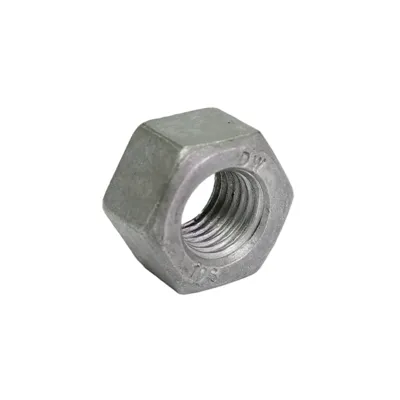
First off, let’s get on the same page about what nylon lock nuts are. These nuts have a nylon insert near the top. When you screw the nut onto a bolt, the nylon insert grips the threads, creating friction. This friction stops the nut from vibrating loose, which is a major plus in applications where things get a bit shaky.
One of the great things about nylon lock nuts is that they’re reusable. As long as the nylon insert isn’t damaged, you can take the nut off and put it back on multiple times. This makes them a cost – effective option in the long run.
Consider the Application Environment
The first step in choosing the right nylon lock nut is to think about the environment where it’ll be used. Is it a high – temperature area? If so, regular nylon lock nuts might not cut it. Nylon has a melting point, and in really hot conditions, the nylon insert could start to soften, losing its locking ability.
For high – temperature applications, you might want to look into high – temperature nylon lock nuts. These are made with special nylon compounds that can withstand higher heat. They’re a bit more expensive, but they’ll save you from having to replace nuts constantly due to heat damage.
What about a wet or corrosive environment? Moisture and chemicals can eat away at regular metal nuts. In these situations, you should consider using stainless – steel nylon lock nuts. Stainless steel is resistant to rust and corrosion, so it’ll keep your nuts in good shape for longer.
Size Matters
Getting the right size of nylon lock nut is super important. If the nut is too big, it won’t grip the bolt tightly enough, and it’ll come loose easily. On the other hand, if it’s too small, you won’t be able to screw it on at all.
To find the correct size, you need to know the diameter of the bolt you’re using. Most bolts are labeled with their size, usually in millimeters or inches. Once you know the bolt diameter, you can match it to the corresponding nylon lock nut size.
It’s also important to consider the thread pitch. The thread pitch is the distance between the threads on the bolt. Nylon lock nuts need to have the same thread pitch as the bolt to work properly. If you’re not sure about the thread pitch, you can use a thread pitch gauge to measure it.
Strength Requirements
Different applications have different strength requirements. For example, in a light – duty application like assembling a piece of furniture, you don’t need a super – strong nylon lock nut. A standard nut with a moderate locking force will do the job just fine.
But for heavy – duty applications like in automotive engines or construction equipment, you need a high – strength nylon lock nut. These nuts are made from stronger materials and are designed to handle a lot of stress. They have a higher clamping force, which means they’ll stay in place even under intense vibrations and loads.
You can find the strength rating of nylon lock nuts in technical specifications. Look for things like tensile strength and yield strength. These ratings will give you an idea of how much force the nut can withstand before it fails.
Quality of the Nylon Insert
The nylon insert is what makes a nylon lock nut work. So, the quality of the nylon insert is a big deal. A good nylon insert should be made from a high – quality nylon material that has the right amount of flexibility.
If the nylon is too soft, it won’t grip the bolt threads tightly enough. If it’s too hard, it might crack when you try to screw the nut on, losing its locking ability.
When you’re looking at nylon lock nuts, pay attention to the color and texture of the nylon insert. A high – quality insert will usually have a consistent color and a smooth texture. You can also ask the supplier about the type of nylon used and its specifications.
Quantity and Cost
How many nylon lock nuts do you need? This is an important question. If you’re working on a small project, you might only need a handful of nuts. But for large – scale manufacturing, you’ll need a huge quantity.
Buying in bulk can often get you a better price per nut. Suppliers usually offer discounts for larger orders. So, if you know you’ll need a lot of nylon lock nuts, it’s worth considering buying in bulk.
But don’t just go for the cheapest option. Remember, quality is important. A low – quality nylon lock nut might save you a few bucks upfront, but it could end up costing you more in the long run if it fails and causes problems.
Compatibility with Other Components
You also need to think about how the nylon lock nut will work with other components in the system. For example, if you’re using a special type of bolt with a unique finish, you need to make sure the nylon lock nut won’t cause any damage to the bolt.
Some bolts are coated with anti – galling substances, and certain types of nylon lock nuts might interfere with these coatings. So, it’s always a good idea to check with the bolt manufacturer or do some compatibility testing before making a final decision.
Additional Considerations
There are a few other things to think about when choosing a nylon lock nut. For example, some applications might require a specific shape or style of nut. There are hexagonal nuts, square nuts, and even wing nuts. Each shape has its own advantages and is suitable for different types of applications.
Hexagonal nuts are the most common type because they’re easy to grip with a wrench. Square nuts are sometimes used in applications where a larger surface area is needed for better stability. Wing nuts are great for applications where you need to be able to tighten or loosen the nut by hand.
Conclusion
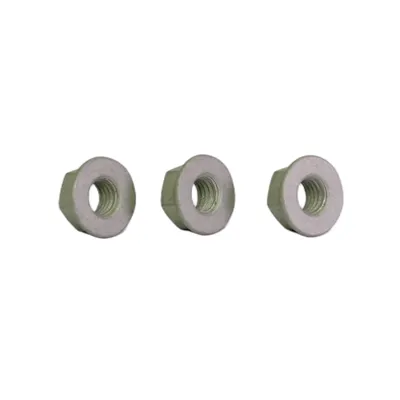
Choosing the right nylon lock nut for a specific application isn’t as simple as it might seem. You need to consider the environment, size, strength requirements, quality of the nylon insert, quantity, cost, and compatibility with other components. By taking all these factors into account, you can ensure that you’re using the best nylon lock nut for your project.
Carbon Rods If you’re still not sure which nylon lock nut is right for you, don’t hesitate to reach out. We’re here to help you make the best choice. Whether you’re working on a small DIY project or a large – scale industrial application, we have a wide range of nylon lock nuts to meet your needs. Contact us today to start a conversation about your requirements and let’s find the perfect nylon lock nuts together.
References
- Machinery’s Handbook, 31st Edition
- Threaded Fastener Design Guide by ASME
- Fastener Application and Design Manual by Industrial Fasteners Institute
Jiaxing Jinling Hardware Technolgy Joint Stock Co., Ltd.
As one of the most experienced nylon lock nut manufacturers and suppliers in China, we also support customized service. Please feel free to buy bulk high-grade nylon lock nut made in China here from our factory. For quotation and price list, contact us now.
Address: No.32, Shenjiadai, Xuyouche Village, Qinshan Subdistrict, Haiyan County, Zhejiang Province, China
E-mail: jlzxl@jinlingfstn.com
WebSite: https://www.china-nut-factory.com/
