If you’ve ever stood in a warehouse, loading dock, or retail storage area, you’ve likely seen collapsible plastic crates doing the work of moving and storing everything from fresh produce to small manufacturing parts. As a supplier of these crates, I get asked this question at least once a week: “Are collapsible plastic crates actually compliant with safety standards?” The short answer is yes—but only if they’re built and tested the right way, and that’s the part most buyers don’t see until they’re unloading a crate that cracks mid-shipment or fails a warehouse inspection. Collapsible Plastic Crates

I started in the plastic packaging industry over 12 years ago, and early on, I learned a harsh lesson: not all crates are made equal. A competitor once sold a batch of collapsible crates to a small e-commerce brand that started cracking under the weight of 80 pounds of apparel, leading to lost inventory and a OSHA fine when a worker tried to lift a broken crate and pulled their back. That’s the story that drove me to build our business around compliance first, not just low prices. Today, every crate we ship has been vetted against the standards that keep workers safe, protect goods, and meet regulatory requirements here in the U.S. and for most global clients.
The first set of standards most people talk about is from OSHA, the Occupational Safety and Health Administration. OSHA doesn’t have a specific “collapsible plastic crate” standard, but it does set general guidelines for material handling equipment that applies directly. For example, OSHA requires all load-bearing equipment—including crates—to support at least 1.5 times their rated maximum weight. That means if a crate is labeled to hold 50 pounds, it needs to safely support 75 pounds without bending, breaking, or collapsing unexpectedly. We test every model in our warehouse before it hits the market, stacking weighted sandbags on each crate until it reaches 2 times the rated weight, just to be extra sure. Last year, we had a client who wanted to use our crates for storing heavy automotive parts, and they asked if our standard 100-pound-rated crates would work. We ran an extra 24-hour load test on a dozen units—no cracks, no frame warping, no unexpected collapse. That’s the kind of testing that keeps buyers compliant with OSHA.
Then there are the international standards, like ISO 14801, which is specifically for rigid and collapsible plastic containers used in transport and storage. This standard covers everything from material composition to how the crate folds, how it stacks, and even the sharpness of its edges. ISO 14801 requires that collapsible crates lock securely when in use—no accidental folding mid-transit, which is a huge safety risk. I’ve seen cheap knockoffs where the locking tabs are made of thin, brittle plastic that snap off after a few uses. Our crates use reinforced polypropylene resin, the same material used in heavy-duty pallets, for the locking mechanisms. We also test each lock 10,000 times to make sure it doesn’t wear out before the crate’s 5+ year lifespan. For clients in the food and beverage industry, we also comply with FDA and EFSA food contact standards. That means every crate we make for produce, dairy, or pre-packaged snacks is free of BPA and other harmful chemicals that could leach into food during transport. A few months ago, a produce distributor came to us because their previous crates were leaving a faint plastic taste on their organic berries. We switched them to our food-grade polypropylene crates, and they haven’t reported a taste issue since.
A common misconception I hear is that collapsible crates are less safe than rigid plastic crates because they fold. In reality, the folding design has to meet the same safety benchmarks as rigid ones—plus a few extra, because the hinge and lock systems add complexity. For example, when a crate is collapsed for storage, it’s lighter and easier to stack, but that doesn’t mean it’s flimsy. We test collapsed crates stacked 10 units high, which is a common setup in warehouse storage, and none of our models have ever warped or broken during that test. We also make sure the corners of the crates are rounded, not sharp, to prevent cuts during loading and unloading. OSHA reports that 1 in 10 workplace injuries in material handling are from sharp edges on equipment, so that small design choice is a big part of compliance.
Another area that trips up buyers is regulatory standards for specific industries. For example, if you’re shipping pharmaceuticals or medical devices, you need crates that meet ISTA (International Safe Transit Association) standards for drop testing and vibration resistance. ISTA tests ensure that a crate can survive being dropped from 3 feet onto concrete, bounced around in a truck, or jostled on a conveyor belt without breaking or spilling its contents. Last year, a medical supply client needed crates to ship temperature-sensitive test kits across the country. We put our ISTA-certified crates through the paces: dropped them from 4 feet (to exceed the standard), ran them over with a forklift, and left them in a hot truck for 72 hours. The test kits inside stayed perfectly intact, and the client passed their FDA audit without any issues. For clients in the retail sector, many big box stores require crates to meet their own internal safety standards, which are often stricter than OSHA or ISO. For example, one major grocery chain requires that all crates used in their distribution centers can be stacked 15 units high, while the general ISO standard is 10. We work with each client to adjust our crates to meet their specific requirements, because compliance isn’t one-size-fits-all.
I’m not going to lie—compliance adds a small cost to each crate. It means investing in testing equipment, working with third-party auditors, and using higher-quality materials instead of cheap, thin plastic. But over the years, I’ve seen how much that small cost saves clients in the long run. A company that skips compliant crates might get a lower upfront price, but they risk OSHA fines (which can go up to $15,000 per serious violation), damaged goods that eat into profits, and worker turnover from injuries. Last year, a client who switched to our compliant crates told us they reduced their workplace injury rate from 12 incidents a quarter to 2, all because our crates don’t crack, have no sharp edges, and lock securely. That’s the kind of return on investment that matters more than a lower initial price.
If you’re in the market for collapsible plastic crates, here’s what to look for to make sure they’re compliant: First, ask for test reports. Any reputable supplier should be able to provide documents showing that their crates meet OSHA, ISO, and industry-specific standards. Second, check the material—look for crates made from high-density polypropylene or HDPE, not recycled plastic that’s brittle or inconsistent. Third, test a small batch before ordering a full shipment. You don’t want to find out a crate is non-compliant after you’ve already used 500 of them in your warehouse.
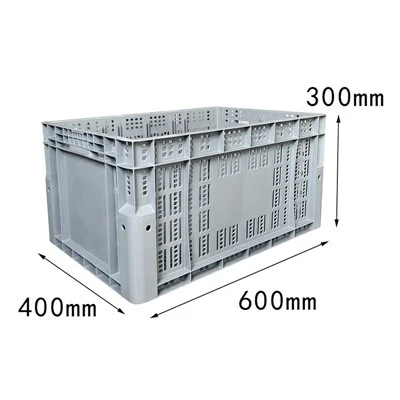
At the end of the day, compliant collapsible plastic crates aren’t just a box that holds things—they’re a safety tool for workers, a way to protect your inventory, and a way to make sure your business meets all regulatory requirements. If you’re tired of dealing with crates that crack, fail inspections, or leave you worrying about worker safety, we’re here to help. We can walk you through our test reports, help you choose the right crate for your industry, and make sure every unit you get is fully compliant with all applicable standards. Ready to talk through your needs? Reach out to our team for a no-obligation consultation.
Solid Plastic Pallets References:
- Occupational Safety and Health Administration. (2023). Material Handling Equipment Guidelines. U.S. Department of Labor.
- International Organization for Standardization. (2019). ISO 14801: Rigid and Collapsible Plastic Containers for Transport and Storage. ISO Central Secretariat.
- U.S. Food and Drug Administration. (2022). Food Contact Substances: Plastic Materials. FDA Center for Food Safety and Applied Nutrition.
- International Safe Transit Association. (2021). ISTA 1A: General Simulation for Packaged-Rounded Products. ISTA.
- Occupational Safety and Health Administration. (2022). Workplace Injury Statistics: Material Handling. U.S. Department of Labor.
Ningbo Simple Trading Co., Ltd.
Ningbo Simple Trading Co., Ltd. is one of the most professional collapsible plastic crates manufacturers and suppliers in China. With a professional production team, we are able to meet the needs of the majority of our customers. Please feel free to wholesale custom made collapsible plastic crates from our factory.
Address: Room 3136, North Building of Yinzhou Chamber of Commerce Building, No.1299, Yinxian Boulevard, Shounan Subdistrict, Yinzhou District, Ningbo City, Zhejiang Province
E-mail: Simpleexport@nbsimpletrading.com
WebSite: https://www.logisticsequipments.com/
