If you’ve ever worked in the grain processing, flour milling, or feed manufacturing industries, you’ve almost certainly encountered a plansifter. This staple piece of equipment—with its stacked sieving frames, cloth mesh screens, and reciprocating motion—has been the gold standard for separating granular materials by size for over a century. But if you’re like many equipment operators and plant managers, you might’ve never stopped to wonder: can a plansifter be used for building materials? As a plansifter supplier with 12 years of hands-on experience talking to plant owners, maintenance teams, and R&D specialists across industries, I’m here to break down the science, the applications, and the real-world tradeoffs of this unexpected use case. Plansifter
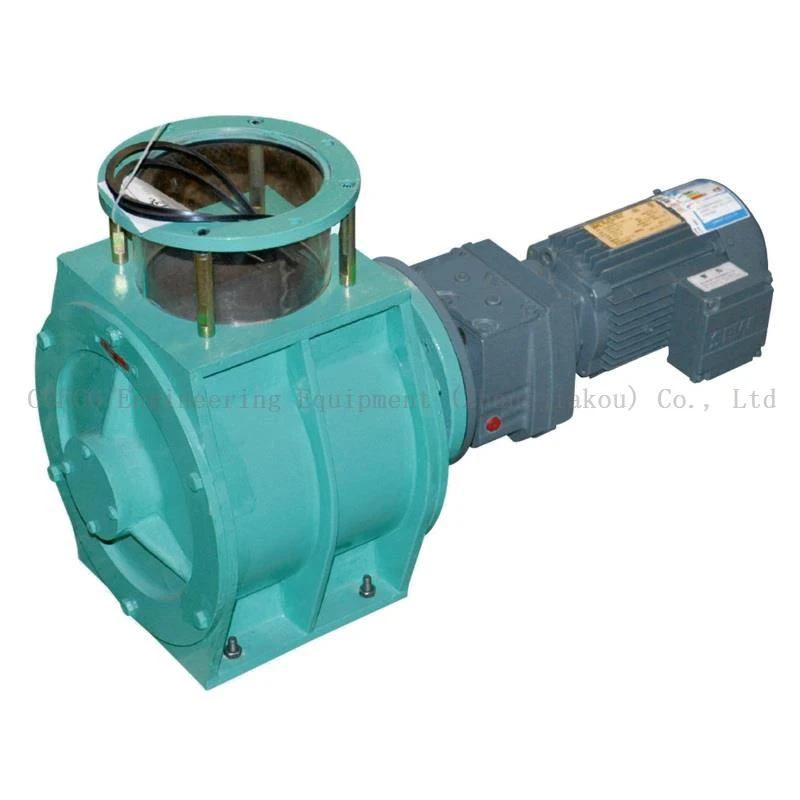
Let’s start with the basics: what is a plansifter, exactly? Unlike a simple vibratory sieve that only moves material up and down, a plansifter uses a horizontal oscillating motion (usually 120 to 180 cycles per minute, with a 10 to 15 mm stroke) that sends granular material flowing across stacked, cloth-based screens of varying mesh sizes. The cloth screens, rather than rigid metal mesh, are a key design feature in traditional plansifters: they flex slightly as material moves, which prevents clogging, reduces breakage of delicate grains (like wheat or corn), and delivers more precise size separation than rigid sieves for soft, low-density materials. For the food and feed industries, this makes plansifters ideal for grading flour into fine and coarse streams, separating semolina from bran, or isolating specific particle sizes of animal feed pellets to ensure uniform nutrient distribution.
Now, building materials—think things like sand, ceramic powders, gypsum, cement clinker, or even fine aggregates for precast concrete—have very different properties than grain. Most building materials are harder, more abrasive, and often have higher bulk densities. Sand, for example, is primarily silica, a mineral that’s extremely hard and will wear through metal over time. Gypsum powder, while softer, is often processed at higher temperatures than grain, which introduces additional considerations around material stability. So, the first question is: does a plansifter’s design hold up to these conditions?
The short answer is: yes, but with significant modifications—and for specific building material applications, it’s often a better fit than specialized vibratory sieves or rotary screeners. Let’s dive into the use cases that work, the limitations that apply, and how we’ve helped our customers integrate plansifters into their building material processing lines over the years.
First, let’s talk about the applications where plansifters shine for building materials. The most common use case we’ve seen is in fine ceramic powder processing. Ceramic manufacturers rely on ultra-precise particle size distribution (PSD) to ensure the final product—whether it’s a bathroom tile, a high-voltage insulator, or a dental implant—has consistent density, strength, and firing properties. Even a 10-micron deviation in particle size can lead to cracks during firing or uneven curing, which is why many ceramic plants use plansifters instead of other screening equipment.
Why is a plansifter better here? The horizontal oscillating motion of a plansifter doesn’t just separate particles; it stratifies them by size gently but effectively. On the top screens, larger particles are carried along the surface, while smaller particles settle into the mesh openings. The flexing cloth screens in the plansifter (a feature we’ve modified for industrial powders to use high-density polypropylene or woven nylon fabrics with reinforced edges) prevent blinding—when fine particles clog the mesh openings and stop screening. For ceramic powders, which are often very fine (10 to 150 microns) and electrostatically charged, this anti-blinding capability is a game-changer. We’ve worked with a mid-sized ceramic producer in Ohio that used to run vibratory sieves for their alumina powder, which required frequent screen changes (every 2 to 3 weeks) and produced inconsistent PSD. After switching to a modified plansifter, they extended screen life to 8 to 10 weeks, reduced oversize contamination by 12%, and cut their screening downtime by 40%. That’s the kind of result that gets plant managers’ attention.
Another growing use case is in the production of specialty cement and concrete additives. Ready-mix concrete producers increasingly use fine supplementary cementitious materials (SCMs) like ground granulated blast furnace slag (GGBFS), fly ash, and silica fume to reduce carbon emissions and improve concrete strength. These SCMs require a very narrow PSD to work effectively: silica fume, for example, needs particles of 0.1 to 10 microns to fill the gaps between cement particles, creating a denser, stronger mix. Plansifters are already used in coal power plants to grade fly ash for concrete, and adapting them for smaller, finer SCM streams is a natural fit.
We also have customers in the precast concrete industry using plansifters to grade fine aggregates (sand and crushed stone dust) for high-performance precast products like wall panels and bridge beams. The consistent particle size from a plansifter means the concrete mix has uniform workability, reducing air voids that can weaken the finished product. Unlike rotary screens, which tend to trap particles in the gaps between their rotating drums, plansifters’ horizontal motion moves all material across the screens, so you get less cross-contamination between size streams. That’s a critical advantage when you’re producing multiple sizes of aggregate for different product lines on the same process line.
Now, before you go ordering a plansifter for your sand processing plant, let’s talk about the big caveats—because a traditional food-grade plansifter isn’t going to cut it for most building materials. The primary challenge is abrasion. Silica sand, for example, is a 7 on the Mohs hardness scale, same as quartz, and it will wear through standard steel frames and standard cloth screens in a matter of months, if not weeks. That’s why our team modifies every plansifter we sell for building material applications in three key ways:
First, we upgrade all contact surfaces to abrasion-resistant materials. The screens aren’t just woven nylon—we use polyurethane-coated metal mesh or high-density woven polypropylene that can withstand constant friction from hard silica and ceramic particles. The internal frames that hold the screens are lined with wear-resistant steel (like AR400) instead of the mild steel used in food-grade plansifters, and we add rubber liners to the base of the plansifter to absorb impact from dense, heavy materials.
Second, we adjust the motion parameters. Traditional plansifters for grain run at 150 cycles per minute (CPM) with a 12 mm stroke, which is gentle enough to avoid breaking soft wheat kernels. For building materials, we slow that motion down to 100 to 120 CPM and reduce the stroke to 8 to 10 mm. Why? A faster, wider stroke would send hard silica particles bouncing off the screens instead of moving smoothly, leading to increased wear and inconsistent separation. Slowing the motion ensures material flows evenly across the screens, reducing friction and improving accuracy for dense materials.
Third, we add dust containment and explosion protection. Many building materials, especially fine powders like silica fume and cement, are combustible. A plansifter’s open design for grain processing would release large amounts of dust, creating a explosion hazard. So we modify our building material plansifters to be fully enclosed, with integrated dust collection ports, pressure relief vents, and inert gas purge systems for facilities handling combustible powders. We also add air locks at the discharge points to prevent dust from escaping and to keep outside contaminants out of the process stream.
Another limitation to consider: plansifters aren’t ideal for very large particles. Traditional plansifters max out at separating particles of about 2 mm; for larger aggregates (like 10 mm or 20 mm gravel), you’d need a different type of equipment, like a trommel screen or a linear vibratory screener. But for fine and ultra-fine building materials (10 microns to 2 mm), plansifters deliver results that are hard to match with other screening technologies.
We’ve also run into one more common misconception: some plant managers think plansifters are too expensive to adapt for building materials. Let’s do a quick cost comparison. A standard vibratory sieve for fine powder screening costs between $5,000 and $10,000, with screen replacement costs of $500 to $1,000 per month, depending on the material. A modified plansifter for the same application costs between $15,000 and $25,000, but screen replacement costs drop to $100 to $300 per month, and downtime is reduced by 50% or more. Over a 5-year lifespan, the total cost of ownership for a plansifter is often 20 to 30% lower than a vibratory sieve, especially for abrasive materials. That’s why even large concrete producers with million-dollar processing lines are adding plansifters to their operations.
Let me leave you with a real story to put this all in perspective. Last year, we worked with a family-owned tile manufacturer in Georgia that was struggling to keep up with demand for their high-end porcelain tiles. Their old screening line used three separate vibratory sieves to grade their feldspar and quartz ceramic powders, which required 3 operators to change screens, clean equipment, and adjust settings every day. They were producing 10% of their powder as oversize waste, and their lead time for custom tile batches was stretching from 7 days to 21 days.
We installed two modified plansifters in their processing line, and within 2 months, their oversize waste dropped to 2%—saving them nearly $18,000 per month in raw material costs. They cut their screening labor needs by one full operator, and their lead time for custom batches was back down to 8 days. The plant manager, Tom, told us: “I used to think plansifters were just for flour mills. Now I wouldn’t run a powder line without one. The consistency is unmatched, and the maintenance is a fraction of what we dealt with before.”
At the end of the day, equipment adaptation is all about matching the technology to the material’s specific needs. Plansifters, built for gentle, precise size separation, were originally designed for soft grain, but their core design features—anti-blending cloth screens, consistent horizontal motion, and modular stacked frames—make them surprisingly well-suited for many building material applications. The key is working with a supplier who understands both the plansifter’s design and the unique requirements of building material processing, so you can modify the equipment to meet your needs without overpaying for unnecessary features.
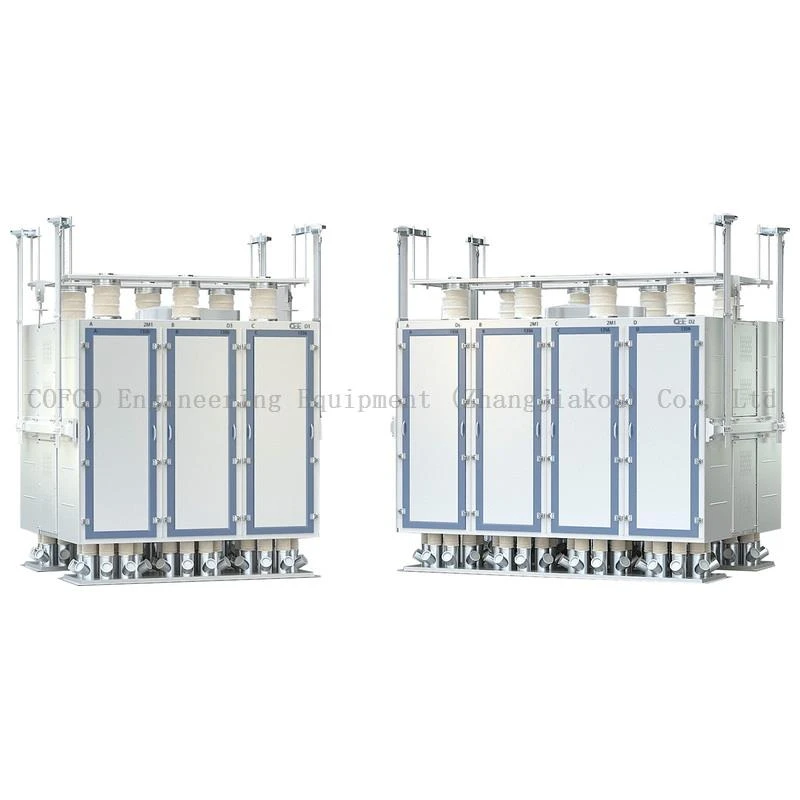
If you’re dealing with consistent particle size, high abrasive materials, or combustible powders in your building material processing line, a plansifter might be the solution you didn’t know you needed. We’ve helped dozens of clients across ceramic, concrete, and aggregate processing lines upgrade their screening operations, reduce waste, and cut downtime by leveraging the plansifter’s unique capabilities. To learn more about how a modified plansifter could work for your specific application, or to discuss your process challenges, reach out to our team to discuss a custom solution tailored to your operation.
Feed Mixing Equipment References
- American Society of Agricultural and Biological Engineers. (2020). Standards for Grain Processing Equipment: Plansifter Design and Performance. ASABE S368.4.
- Ceramic Industry Manufacturers Association. (2022). Quality Control for Fine Ceramic Powders: Particle Size Separation Methods. CIMA Technical Report 17.
- Portland Cement Association. (2021). Supplementary Cementitious Materials Processing: Screening Technologies and Performance. PCA Report RM-12.
COFCO Engineering Equipment (Zhangjiakou) Co., Ltd.
As one of the most professional plansifter manufacturers and suppliers in China, we also support customized service. Please feel free to wholesale advanced plansifter for sale here from our factory. Quality products and reasonable price are available.
Address: No.4 ZhongLiang Street, high-tech industrial development zone, Zhangjiakou, Hebei, PRC
E-mail: mayihui@cofco.com
WebSite: https://www.ceeflourmill.com/
