Hey there, let’s cut to the chase—if you’re in a factory, oil refinery, chemical plant, or any space where flammable gases, dust, or vapors are hanging around, regular LED lights aren’t gonna cut it. In fact, they could be a hazard. That’s where LED explosion-proof lights come in, but with so many options out there, picking the right one can feel like navigating a maze blindfolded. I’m a LED explosion-proof light supplier, so I’ve seen every mistake people make when grabbing the first option they find. Today, I’m breaking down exactly what to look for, no jargon, no fluff—just real stuff that actually works for your space. LED Explosion Proof Light
First off, let’s skip the “explosion-proof” buzzword hype. That label isn’t just a marketing trick—it’s a regulatory stamp that means the light won’t spark a blast even if there’s a volatile material nearby. But not all certifications are created equal, so this is non-negotiable. If you don’t pay attention to this, you’re not just wasting money—you’re putting your team and facility at risk. Let’s start with certifications because this is the foundation.
I’ve seen guys buy a cheap “explosion-proof” light off Amazon that had a sticker that looked like a certification, but it was just a generic logo. Don’t do that. The big ones you need to check are ATEX (for the EU), IECEx (global standard), and NEC (for North America, specifically Class and Division ratings). Wait, let’s translate that so it makes sense. NEC Class I is for gases/vapors, Class II is for combustible dust, Class III for fibers. Division 1 means the hazardous material is there 24/7 or during normal operation—so you need a light rated for Division 1. Division 2 is for areas where the hazardous stuff only leaks occasionally, so that’s a lower rating, but you still have to match it. ATEX and IECEx are similar: they zone your space into zones 0, 1, 2 (gases) or 20, 21, 22 (dust). Zone 0 is the most dangerous—where flammable gas is always present—and you need a light rated for Zone 0 if that’s your space. If your refinery has a section where propane is constantly in the air, a Zone 2 light won’t cut it. I can’t tell you how many times a client came to me after buying a light that wasn’t rated for their zone, and they had to tear it out and start over. That’s avoidable.
Next up, lumen output vs. wattage—wait, no, let’s be real: forget wattage. Old habits die hard, but wattage doesn’t tell you how bright a light actually is. Back in the incandescent days, 100 watts meant bright, but LEDs are way more efficient. A 20W explosion-proof LED light can be brighter than a 100W incandescent, so chasing wattage is a fool’s errand. What matters is lumens and lux. Lumens = total brightness the light puts out. Lux = how bright that actually is on the ground where people are working. For most industrial spaces, you want at least 100 to 150 lux for general areas, 200+ for workstations where you’re doing detailed tasks like wiring or inspecting equipment. I always tell clients to measure the size of their space—say, a 10×10 foot workstation—then calculate the lumens they need. A 10×10 area needs around 1,500 to 2,000 lumens for good light. Don’t get tricked by “high lumen” claims that turn into glare—glare is bad because it makes workers tired and can even cause accidents. Look for lights that have a wide, even beam angle (usually 90 to 120 degrees) so you’re lighting up the whole space, not just a narrow strip.
Heat management is another big one that most people sleep on. Explosion-proof lights are sealed tight, right? That’s how they keep sparks inside—so all the heat from the LED has to escape through the housing. If heat builds up inside, two things happen: 1) the LEDs burn out way faster (like 5,000 hours instead of 50,000), and 2) the housing can get so hot that it ignites flammable materials nearby. I’ve had clients complain that their cheap lights died after 6 months, and when we opened them up, there was no heat sink—just a plastic shell. Invest in a light with a solid aluminum heat sink, maybe with fins to dissipate heat better. Some of the better models even have thermal paste between the LED board and the heat sink to transfer heat faster. This is one area where cutting corners is a terrible idea. A good heat-managed light will last 10+ years, so it saves you money on replacements and maintenance long-term.
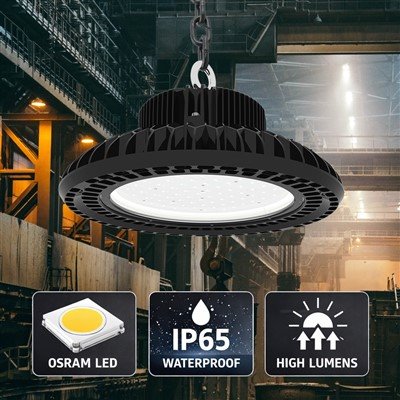
Durability is non-negotiable too. These lights aren’t just sitting on a shelf—they’re getting banged by forklifts, exposed to dust, water, chemicals, extreme temperatures. So check the IP rating. IP stands for Ingress Protection, and the number is two digits. The first digit is dust resistance: IP6X means completely dust-tight, which is for coal mills, grain elevators, places with tons of combustible dust. IP5X is dust-protected (not 100% sealed, but enough for most chemical plants). The second digit is water resistance: IPX7 can handle being submerged in 1 meter of water for 30 minutes, perfect for outdoor areas or spaces that get hosed down. IPX4 is splash-resistant, good for areas with occasional splashes, but not for outdoor use in rain. Also, check the temperature rating—if your facility is in a place that gets -40°F in the winter or 120°F in the summer, make sure the light is rated for that. A light that works fine in Texas might die in a Canadian refinery in January, I’ve seen it happen.
Then there’s installation and maintenance. Let’s be honest, no one wants to spend 8 hours hanging a light that requires a PhD to wire. Look for explosion-proof lights that are designed for easy installation—many come with pre-wired connectors, so you don’t have to fumble with exposed wires in a hazardous area. Some are surface-mounted, some are pole-mounted, some are for drop ceilings—pick the mount that fits your space. As for maintenance, LED lights are low-maintenance by nature, but check if the housing is easy to open if you ever need to replace an LED driver or bulb. Wait, but most modern explosion-proof LEDs have the driver and LED board integrated, so replacement is simple. One pro tip: get lights with modular parts. If one component breaks, you don’t have to throw the whole light away—just swap out that part. That saves you cash in the long run.
Battery backup? Wait, not all explosion-proof lights need it, but if your facility is in an area with frequent power outages, or if it’s a space where workers need to evacuate quickly, battery backup is a game-changer. Look for models with 90 minutes or more of backup power, that also meet explosion-proof standards (so the battery itself is safe in a hazardous area). Some clients in oil fields or remote mining sites swear by this—when the power goes out, the lights stay on until generators kick in, so no one is left stumbling around in a place with flammable materials.
Cost is always a factor, but let’s get real: the cheapest light isn’t the best. A $50 “explosion-proof” light might seem like a steal, but if it dies in 6 months and costs $200 to replace, that’s way more than a $200 light that lasts 5 years. Also, remember that if you’re working in a regulated industry (OSHA, EPA, whatever), you can’t cut corners on certifications. OSHA will penalize you for using uncertified lights, so the fine alone is way more than the extra cost of a quality light. I’m a supplier, so I sell these lights, but I’d never push a client to buy something they don’t need. I’ve had a small plant with a low-hazard space go for a more budget-friendly ATEX-certified light, and a refinery go for a higher-spec Zone 1, IP69K model. Matching the light to your exact needs is how you save money and stay safe.
Wait, let’s talk about a common mistake: overbuying. Some guys think, “Hey, more certifications = safer, so I’ll just get the highest rating no matter what.” But if your space is a Zone 2 area, a Zone 0 light is overkill, and way more expensive. I once had a client who bought a Zone 0 light for his small paint shop, and it cost him twice as much as he needed to spend. That’s just throwing money away. Always match the light’s rating to your space’s hazard level. If you’re not sure, get someone to do a hazard assessment—many reputable suppliers (including me, tbh) can help with that, no extra cost. Don’t guess; get it right.
Another thing: light color temperature. This is something people rarely think about, but it affects productivity and safety. Color temperature is measured in Kelvin (K). Warm white (2700K-3000K) is yellowish, like old incandescents. It’s cozy, but not good for industrial spaces because it makes it hard to see small details or color differences. Neutral white (4000K-5000K) is bright, white, like office lights. It’s perfect for most industrial areas—you get good visibility without being harsh. Cool white (5000K-6500K) is super bright, bluish, and good for outdoor areas or spaces with very low ambient light, but it can cause eye strain if you’re looking at it all day. I always recommend neutral white (4500K is a sweet spot) for factories and plants.
Let me wrap this up with a quick recap so you don’t have to remember all this: 1) Prioritize certifications (ATEX, IECEx, NEC) that match your hazard zone/class—no cheap stickers. 2) Skip wattage, go for lumens/lux and a wide beam angle for even lighting. 3) Make sure the heat sink is solid aluminum to keep LEDs cool and safe. 4) Check IP and temperature ratings to handle your space’s conditions. 5) Keep it simple for installation, and look for modular parts for easy maintenance. 6) Match the light’s spec to your needs, don’t overbuy, and if you’re unsure, ask for help.
If you’re still not sure which light is right for your space, or you need help with a hazard assessment, I’m here to help. We’ve got a range of LED explosion-proof lights for every type of facility, from small workshops to large refineries, all certified and built to last. Don’t gamble with your safety or your budget—reach out to us to discuss your specific needs, and we’ll hook you up with the perfect solution.
Wait, before I go, let me make sure I didn’t miss anything. Oh, right—warranty. A good LED explosion-proof light should have at least a 3-year warranty, some even 5 years. If a light only comes with a 1-year warranty, that’s a red flag. It means the manufacturer doesn’t trust their product to last. I always tell clients to check the warranty—it’s a good indicator of quality.

At the end of the day, choosing the right LED explosion-proof light isn’t hard if you focus on the right stuff. It’s not about the shiniest marketing or the cheapest price—it’s about matching the light to your space, keeping your team safe, and not wasting money on something that doesn’t work. I’ve been in this game long enough to know that the best customers are the ones who take the time to get it right, and I’m here to make that process as easy as possible. So if you’re ready to stop guessing and start getting the right light, let’s connect and talk through your project.
LED Flood Light References:
- National Electrical Code (NEC), Article 500: Hazardous (Classified) Locations
- ATEX Directive 2014/34/EU: Equipment and Protective Systems Intended for Use in Potentially Explosive Atmospheres
- IECEx System: International Certification Scheme for Explosion Protection Equipment
- Occupational Safety and Health Administration (OSHA) Standard 29 CFR 1910.307: Wiring, Design, and Protection for Hazardous Locations
Hangzhou Shanghong Electronic Technology Co., Ltd.
We are one of the most experienced led explosion proof light manufacturers and suppliers in China. With a professional production team, we offer a wide range of products with superior quality. Please feel free to wholesale custom made led explosion proof light from our factory.
Address: 5F, Building A, No.7 Xiyuan 2nd Road, Xihu District, Hangzhou City, Zhejiang, China.
E-mail: sales3@sahung.com
WebSite: https://www.sahung-light.com/
