If you’ve walked down a grocery store aisle lately—whether stocking up on snacks at a gas station, grabbing a pre-portioned lunch from a refrigerated case, or picking up a pack of dried herbs for dinner—you’ve almost certainly held or seen a shaped pouch. These aren’t your grandma’s flat, crinkly snack bags; they come in every shape and size, from stand-up pouches that curve to fit fruit slices to narrow, angular pouches designed for single-serve spice blends. As someone who’s spent the last seven years running a shaped pouch manufacturing and supply business, I’ve lost count of how many times a potential new customer has stopped mid-meeting to ask, “Wait—are these even approved for food use by the FDA?” Shaped Pouches
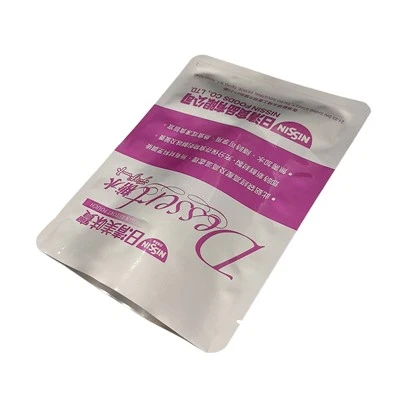
It’s a fair question, and one that’s only gotten louder as shaped pouches have exploded in popularity over the last decade. Back when rigid plastic containers and basic flat bags dominated the food packaging space, the rules felt clearer. Now, with shaped pouches offering everything from shelf stability for plant-based yogurts to custom shapes that appeal to Gen Z snackers, there’s a lot of misinformation floating around. Some people think because they’re “special” packaging, they face extra scrutiny. Others assume all flexible food packaging needs a separate FDA approval process. The truth is more nuanced—and it’s critical for anyone in the food business to understand, because cutting corners on packaging safety isn’t just a risk for your products, it’s a risk for your brand.
Let’s start with the basics: what exactly is a shaped pouch, and why is its FDA approval status worth talking about? Unlike standard flexible packaging, which is often flat or only slightly structured, shaped pouches are engineered with custom contours, gussets, and sometimes rigid inserts to hold their shape even when empty or partially filled. That engineering means they use a mix of materials—usually a combination of plastic films, aluminum foil for barrier protection, sometimes paper for the outer layer, and inks or coatings printed directly on the surface. Each of these components is regulated by the FDA, and that’s where the confusion comes in. The FDA doesn’t approve “shaped pouches” as a single product, the way, say, a new drug would be approved. Instead, it regulates each individual material that comes into contact with food, under the Food, Drug, and Cosmetic Act (FD&C Act) and the Federal Food, Drug, and Cosmetic Act’s Section 409, which covers food contact substances (FCS).
Wait—so that means shaped pouches are only approved if every part of them is approved? Not exactly. The FDA has a set framework for FCS, and it’s designed to be flexible enough for all types of food packaging, including shaped pouches. Let’s break down how that works. First, any material that touches food (called the “direct food contact layer” of the pouch) has to be either on the FDA’s list of Generally Recognized As Safe (GRAS) substances, or have a specific FDA regulation, or be covered by a “letter of no objection” from the agency. For example, the polyethylene plastic used in most stand-up shaped pouches is on the GRAS list, so that’s a no-brainer. The aluminum foil used for oxygen and moisture barrier? It’s been approved for food contact for decades.
What about the other parts? The inks that print the shapes, logos, and nutrition facts on the pouch? Those are a common point of confusion. If the ink is only on the outer layer of the pouch (meaning it never touches the food inside), it has to meet standards for “indirect food contact” materials, regulated under FDA 21 CFR Part 175, which covers adhesives and coatings. If the ink is on the inner layer—rare, but sometimes used for single-serve products with high moisture—it has to meet direct food contact standards. This is where a lot of new pouch manufacturers make mistakes, especially when they’re testing custom shaped pouches for the first time. They might use an ink that’s fine for paper products, but isn’t formulated to migrate (the term for when small amounts of a material leach into food) at safe levels. The FDA sets strict limits on how much of any substance can migrate into food—called the “migration limit”—to make sure no packaging material causes harm over months or years of use.
Here’s where shaped pouches differ a little from standard flat bags: their custom design can sometimes mean more layers of materials, which means more potential points of migration. For example, a shaped pouch for a salsa product might have three layers: an outer paper layer with logo ink, a middle aluminum foil layer for barrier protection, and an inner polyethylene layer that touches the salsa. Each of these layers has to be tested for migration, because even if the inner layer is GRAS, a faulty bond between layers could cause small amounts of the middle layer to leach into the food. That’s why our company puts every new shaped pouch design through a full set of compliance tests before we even send a prototype to a customer. We work with third-party labs that are FDA-recognized to test migration, and we keep all those records on file for every single pouch we manufacture.
I’ve seen firsthand what happens when a brand skips this step. A couple of years ago, we had a small craft snack brand come to us after a batch of their custom shaped nut pouches was pulled from store shelves. Their previous manufacturer had used a cheaper ink that wasn’t tested for indirect food contact, and when the pouches were stored on warm store shelves, small amounts of the ink’s pigments migrated into the nut product. The FDA did a routine check, detected the excess pigment, and the brand had to recall 12,000 units. They lost tens of thousands of dollars, and more importantly, customer trust. That’s the kind of risk that makes shaped pouch compliance non-negotiable.
Now, does the FDA have specific rules for shaped pouches as a product type? The short answer is no, but that doesn’t mean they’re unregulated. The FDA’s Office of Food Additive Safety (OFAS) issues guidance documents that apply to all flexible packaging, including shaped pouches, and they update these guidance regularly as new materials and designs come to market. For example, in 2021, the FDA released an updated guidance on nanomaterials in food packaging, which is relevant for shaped pouches that use nanoscale additives for better barrier protection or flexibility. The guidance doesn’t ban these materials, but it requires manufacturers to submit safety data to prove that the nanomaterials don’t migrate into food at unsafe levels. That’s a key point for shaped pouch suppliers, because custom designs often use innovative materials to achieve their unique shape—so we have to stay on top of every update to FDA guidance to make sure our products are always in line.
Another common question I get: are there any shaped pouches that the FDA has specifically approved? Again, the wording here is tricky. The FDA doesn’t “approve” a shaped pouch as a whole product, but they do issue specific regulations for materials that are used in shaped pouches, and they review and approve FCS petitions for new materials that are used in shaped pouches. For example, a few years ago, a company developed a new bio-based plastic film that could be shaped into a compostable stand-up pouch for pet food. They submitted a food contact petition to the FDA, providing data on migration, safety, and shelf stability, and the FDA issued a regulation approving that plastic for use in food packaging—including shaped pouches. So while the shaped pouch itself isn’t “approved,” the materials that make it up are, and that’s what matters for compliance.
What about special types of shaped pouches, like those used for beverages or frozen food? For example, the tetrahedral shaped pouches you see for single-serve juice drinks—are those compliant? Absolutely. They use materials that are all approved for food contact, and because they’re sealed properly, they don’t have any risk of cross-contamination. The key for any shaped pouch, regardless of its shape, is that it meets FDA migration standards, and that all its components are listed as approved FCS or GRAS. Frozen food shaped pouches have an extra layer of testing, because cold temperatures can sometimes make materials more brittle, leading to small tears that can allow contaminants in, but that’s a testing step, not a separate approval process.
As a shaped pouch supplier, how do we make sure every pouch we provide is FDA-compliant? It’s not just about checking boxes—it’s built into every step of our process. First, we only source materials from suppliers that can provide full documentation of their FCS status or GRAS status. We audit our material suppliers at least once a year to make sure they’re following FDA good manufacturing practices (GMPs) for food contact materials. Then, for every custom shaped pouch design, we run two key tests: a migration test to make sure no substances leach into food, and a seal integrity test to make sure the pouch won’t leak or allow contaminants in during storage and shipping. We also keep a complete compliance binder for every customer order, including test reports, material safety data sheets (MSDS), and any correspondence with the FDA if we used a new material for the order.
I know that for food brand owners, navigating FDA compliance for shaped pouches can feel overwhelming, especially if you’re new to custom packaging. You don’t have to be a FDA expert, but you do have to work with a shaped pouch supplier that takes compliance seriously. The last thing you want is to launch a great product with a unique shaped pouch, only to have it pulled from shelves because your supplier cut corners on safety.
At the end of the day, shaped pouches are just like any other food packaging—their safety depends on the materials used and how they’re manufactured, not their shape. The FDA’s rules are in place to protect consumers, and as a shaped pouch supplier, our job is to make sure every pouch we provide meets those rules, so our customers can focus on what they do best: making great food products that people love.
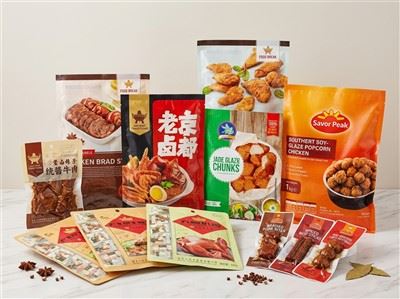
If you’re looking for a reliable shaped pouch supplier that prioritizes FDA compliance, custom design, and on-time delivery for your food product line, reach out to our team to discuss your specific needs. We work with brands of all sizes, from small craft startups to large national food companies, and we’ll walk you through every step of the compliance process to make sure your shaped pouches are safe, compliant, and perfectly suited for your product.
Automatic Packaging Film for Food References:
- U.S. Food and Drug Administration. (2024). Food Contact Substances. Retrieved from FDA.gov
- U.S. Food and Drug Administration. (2021). Guidance for Industry: Safety of Nanomaterials in Food, Food Packaging, and Cosmetics. Retrieved from FDA.gov
- U.S. Food and Drug Administration. (2023). 21 CFR Part 175—Adhesives and Coatings. Retrieved from FDA.gov
- Institute of Food Technologists. (2022). Shaped Flexible Packaging: Safety and Regulatory Considerations for Food Applications. Retrieved from IFT.org
- European Food Safety Authority. (2023). Comparative Analysis of U.S. and EU Food Contact Substance Regulations for Flexible Packaging. Retrieved from EFSA.europa.eu
Qingdao Senlida Packing Co., Ltd.
Qingdao Senlida Packing Co., Ltd. is one of the most experienced shaped pouches manufacturers and suppliers in China since 1995. With a professional production team, we are able to meet the needs of the majority of our customers. Please feel free to buy high quality packing products at competitive price from our factory.
Address: No.299 Feichao Road, Luwang Town, Huangdao District, Qingdao, Shandong Province, China.
E-mail: liuxh@qdsenlida.com
WebSite: https://www.senlidapacking.com/
