Operating Gynaecology RF Plasma Surgical Systems: A Comprehensive Guide Gynaecology RF Plasma Surgical Systems
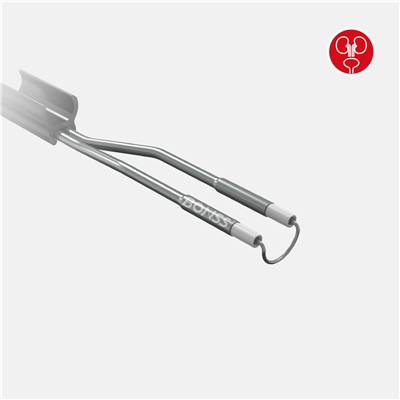
As a trusted supplier of Gynaecology RF Plasma Surgical Systems, I understand the importance of providing accurate information on how to operate these advanced medical devices. In this blog post, I will share detailed insights into the operation of Gynaecology RF Plasma Surgical Systems, covering everything from pre – operation preparations to post – operation care.
Pre – operation Preparations
Equipment Inspection
Before using the Gynaecology RF Plasma Surgical System, a thorough inspection of the equipment is essential. Check the power cord for any signs of damage, such as fraying or exposed wires. Ensure that all connectors are firmly attached, including the handpiece, footswitch, and the main unit. Inspect the electrodes for any visible defects, like cracks or bends. A damaged electrode can affect the performance of the system and potentially cause harm to the patient.
Patient Assessment
A comprehensive patient assessment is crucial before any gynaecological procedure using RF plasma technology. Review the patient’s medical history, including any allergies, previous surgeries, or underlying medical conditions. Conduct a physical examination to determine the appropriate treatment area and the severity of the condition. This information will help in setting the correct parameters on the surgical system.
Parameter Setting
Based on the patient’s condition and the type of procedure, set the appropriate parameters on the Gynaecology RF Plasma Surgical System. The two main parameters to consider are power and duration. Higher power settings are generally used for more extensive tissue resection, while lower power settings are suitable for delicate procedures, such as coagulation. The duration of the RF plasma application also needs to be carefully adjusted to avoid over – treatment or under – treatment.
Operating the Gynaecology RF Plasma Surgical System
Sterilization
The electrodes and handpieces of the surgical system must be sterilized before use. Follow the manufacturer’s instructions for the proper sterilization method, which usually involves using an autoclave or a chemical sterilant. Ensure that the sterilization process is completed successfully by checking the sterilization indicators.
Positioning
Position the patient correctly on the operating table. For gynaecological procedures, the patient is typically placed in the lithotomy position with adequate support for the legs. Ensure that the patient is comfortable and stable throughout the procedure. The surgical system should be placed within easy reach of the operator, with all cables neatly arranged to prevent any tripping hazards.
Activation
Once the patient is positioned and the equipment is ready, activate the Gynaecology RF Plasma Surgical System. Use the footswitch or the control panel on the main unit to start the RF plasma emission. The footswitch provides convenient hands – free operation, allowing the surgeon to focus on the procedure.
Performing the Procedure
When performing the procedure, hold the handpiece firmly and position the electrode precisely on the target tissue. The RF plasma energy will be delivered to the tissue through the electrode, causing controlled tissue ablation or coagulation. Move the electrode smoothly and steadily over the treatment area, following the planned surgical path. Be careful not to apply excessive pressure, as this can cause unnecessary tissue damage.
During the procedure, monitor the patient’s vital signs, such as heart rate, blood pressure, and oxygen saturation. If any abnormalities are detected, stop the procedure immediately and take appropriate measures. Also, keep an eye on the performance of the surgical system, such as the power output and the temperature of the electrode.
Post – operation Care
Equipment Maintenance
After the procedure is completed, turn off the Gynaecology RF Plasma Surgical System and unplug it from the power source. Disconnect the electrodes and handpieces from the main unit. Clean the equipment thoroughly using a mild detergent and water, and then dry it completely. Follow the manufacturer’s instructions for the storage of the equipment to ensure its longevity.
Patient Follow – up
Provide the patient with detailed post – operation instructions, including wound care, pain management, and activity restrictions. Schedule a follow – up appointment to monitor the patient’s recovery. During the follow – up, check the healing progress of the treated area and address any concerns or complications that the patient may have.
Troubleshooting
Power Issues
If the Gynaecology RF Plasma Surgical System fails to power on, first check the power cord connection. Make sure that the power outlet is working properly by plugging in another device. If the problem persists, there may be an issue with the internal power supply of the system. In this case, contact the technical support team for further assistance.
Electrode Malfunction
If the electrode is not functioning correctly, such as not emitting RF plasma or having inconsistent energy output, check the electrode connection. Ensure that it is properly attached to the handpiece. If the problem still exists, the electrode may be damaged and need to be replaced.
Display and Control Panel Problems
If there are any issues with the display or the control panel, such as incorrect parameter readings or unresponsive buttons, try resetting the system. If the problem continues, it could be a software or hardware issue. Contact the manufacturer’s technical support for diagnosis and repair.
Training and Certification
Operating a Gynaecology RF Plasma Surgical System requires proper training and certification. As a supplier, we offer comprehensive training programs for medical professionals. Our training courses cover both theoretical knowledge, such as the principles of RF plasma technology and the indications and contraindications of the procedures, and practical skills, including equipment operation and patient management.
After completing the training, medical professionals can obtain a certification that demonstrates their proficiency in operating the Gynaecology RF Plasma Surgical System. This certification not only ensures the safety and effectiveness of the procedures but also enhances the credibility of the medical institution.
Conclusion
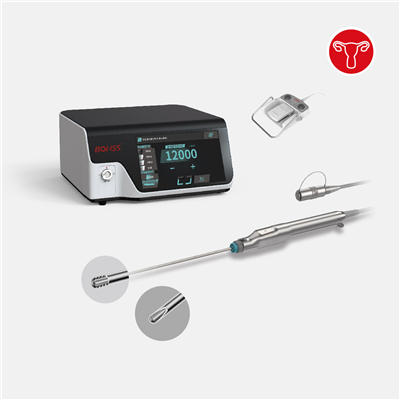
Operating a Gynaecology RF Plasma Surgical System is a complex process that requires careful pre – operation preparations, precise operation during the procedure, and thorough post – operation care. By following the guidelines outlined in this blog post, medical professionals can ensure the safe and effective use of these advanced surgical systems.
Endoscopic System If you are interested in purchasing Gynaecology RF Plasma Surgical Systems or have any questions about their operation, please feel free to contact us for a detailed discussion. We are committed to providing high – quality products and excellent customer service to meet your needs.
References
- [1] Smith, J. A. (2020). Principles of Radiofrequency Plasma Technology in Gynaecological Surgery. Journal of Gynaecological Surgery, 15(2), 89 – 95.
- [2] Johnson, M. L., & Brown, R. S. (2021). Best Practices for Operating Gynaecology RF Plasma Surgical Systems. International Journal of Gynaecological Medicine, 22(3), 123 – 130.
- [3] Williams, K. T. (2022). Troubleshooting Guide for Gynaecology RF Plasma Surgical Systems. Medical Device Technology, 33(4), 45 – 51.
Jiangsu Bonss Medical Technology Co., Ltd.
As one of the most professional gynaecology rf plasma surgical systems manufacturers and suppliers in China, we’re featured by quality products and good price. Please rest assured to buy bulk gynaecology rf plasma surgical systems for sale here from our factory. Customized orders are welcome.
Address: Building #7,No.898,China Medical City Avenue, Haling District, Taizhou City.Jiangsu P.R. China
E-mail: inquiry@plasma-surgical.com
WebSite: https://www.bonssmedical.com/
