Hey there! I’m a supplier of stud bolts. Over the years, I’ve dealt with all sorts of situations related to stud bolt connections, and let me tell you, ensuring their tightness is no joke. It can make or break a project, whether it’s a small DIY job or a large – scale industrial application. So, in this blog, I’ll share some tips on how to ensure the tightness of stud bolt connections. Stud Bolts
Understanding the Basics of Stud Bolt Connections
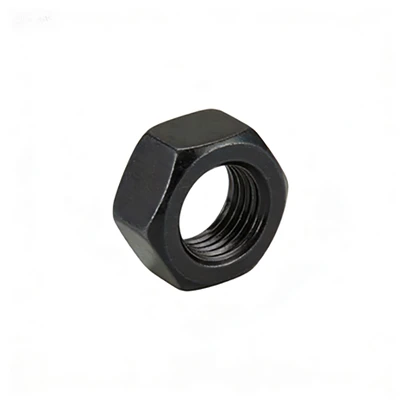
Before we jump into the nitty – gritty of tightening, it’s important to understand what stud bolts are and how they work. A stud bolt is basically a rod with threads on both ends. It’s used to connect two parts together, and the tightness of this connection is crucial for the overall stability and safety of the assembly.
The main factors that affect the tightness of stud bolt connections include the material of the stud bolt, the surface finish of the mating parts, the type of load the connection will bear, and of course, the tightening method. For example, if you’re using a stud bolt in a high – vibration environment, you’ll need to make sure the connection is extra tight to prevent loosening.
Selecting the Right Stud Bolt
The first step in ensuring tightness is to choose the right stud bolt for the job. You can’t just grab any old bolt off the shelf. Consider the following:
Material: The material of the stud bolt matters big time. Stainless steel is great for its corrosion resistance, making it suitable for applications where the bolt will be exposed to moisture or chemicals. Carbon steel, on the other hand, is strong and relatively inexpensive, but it may rust if not properly coated. Make sure the material can withstand the environmental conditions and the load it will carry.
Size and Thread Pitch: You need to pick a stud bolt with the correct size and thread pitch for the mating parts. If the size is wrong, the bolt won’t fit properly, and you won’t be able to achieve the right level of tightness. The thread pitch also affects how tightly the nut can be fastened to the stud.
Grade: Stud bolts come in different grades, which indicate their strength. Higher – grade bolts can withstand greater loads, so choose a grade that matches the requirements of your project.
Pre – installation Preparation
Once you’ve selected the right stud bolt, it’s time to do some prep work.
Clean the Threads: This might sound simple, but it’s really important. Dirty or damaged threads can prevent the nut from being tightened properly. Use a wire brush to clean the threads of the stud bolt and the mating parts. Make sure there’s no debris, rust, or grease.
Check the Mating Surfaces: Inspect the mating surfaces to ensure they’re flat and smooth. Any bumps or irregularities can cause uneven tightening and lead to a weak connection. If necessary, you can use a file or sandpaper to smooth out the surfaces.
Apply Lubricant: I know some people might skip this step, but using a lubricant on the threads can make a huge difference. It reduces friction during tightening, which means you can achieve a more accurate and consistent clamping force. Just make sure to use the right type of lubricant for your application.
Tightening Methods
There are several ways to tighten stud bolt connections, and each has its pros and cons.
Torque Wrench: This is probably the most common method. A torque wrench allows you to apply a specific amount of torque to the nut. The key here is to use the correct torque value for your stud bolt. You can usually find this information in the bolt’s specification sheet. When using a torque wrench, make sure you’re holding it correctly and applying the torque smoothly. Don’t over – tighten, as this can damage the bolt or the mating parts.
Angle Tightening: This method is often used in applications where a high clamping force is required. Instead of just relying on torque, you tighten the nut to a specific angle after reaching a certain initial torque. This ensures that the bolt is stretched to the right amount, providing a more reliable connection. However, it requires a bit more skill and experience.
Hydraulic Tensioning: In some heavy – duty applications, hydraulic tensioning is the go – to method. It uses hydraulic pressure to stretch the stud bolt, and then the nut is tightened while the bolt is under tension. This method can provide very accurate and consistent clamping forces, but it’s a bit more complex and expensive.
Quality Control and Inspection
After tightening the stud bolt connections, it’s crucial to do some quality control and inspection.
Visual Inspection: Take a good look at the connection. Make sure the nut is fully seated and there are no visible signs of damage or misalignment. Check for any gaps between the mating parts, as this could indicate an improper connection.
Ultra – sonic Testing: This is a non – destructive testing method that can be used to check the integrity of the stud bolt. It can detect any internal cracks or flaws that might affect the tightness of the connection. However, it requires specialized equipment and trained personnel.
Torque Re – check: In some cases, it’s a good idea to re – check the torque after a period of time. Vibrations and thermal cycling can cause the nut to loosen over time, so a re – check can help catch any potential issues early.
Maintenance and Monitoring
Ensuring the tightness of stud bolt connections isn’t a one – time thing. You also need to do some maintenance and monitoring.
Regular Inspections: Set up a schedule for regular inspections of the stud bolt connections. This can help you catch any signs of loosening or damage early on. Look for things like rust, corrosion, or any changes in the appearance of the connection.
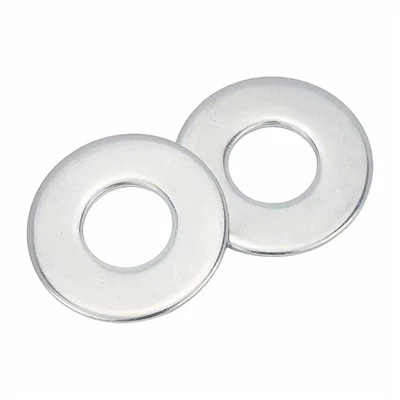
Re – tightening as Needed: If you find that a stud bolt connection has loosened, don’t ignore it. Re – tighten it using the appropriate method. Make sure to follow the same procedures as during the initial installation.
Socket Head Cap Screws In conclusion, ensuring the tightness of stud bolt connections is a multi – step process that involves careful selection, proper installation, quality control, and ongoing maintenance. If you have any questions about stud bolts or need help with your project, don’t hesitate to reach out. I’m here to assist you in finding the right solutions for your stud bolt needs. Whether it’s choosing the right material, determining the correct torque value, or any other aspect of stud bolt connections, I’ve got the knowledge and experience to guide you. So, drop me a line and let’s start talking about your project!
References
- Machinery’s Handbook, 31st Edition
- ASME B18.2.1 – 2011 (American National Standard for Square and Hex Bolts and Screws)
- ASTM Standards for Fasteners
Handan Jihao Fastener Co., Ltd.
We’re known as one of the most professional stud bolts manufacturers and suppliers in China. With abundant experience, we warmly welcome you to wholesale customized stud bolts made in China here from our factory. If you have any enquiry about cooperation, please feel free to email us.
Address: A2, Row 31, Feiyu Screw World, Hebei Pu, Linmengguan Town, Yongnian District, Handan City, Hebei Province
E-mail: wenzhaona0@gmail.com
WebSite: https://www.chinaboltnut.com/
