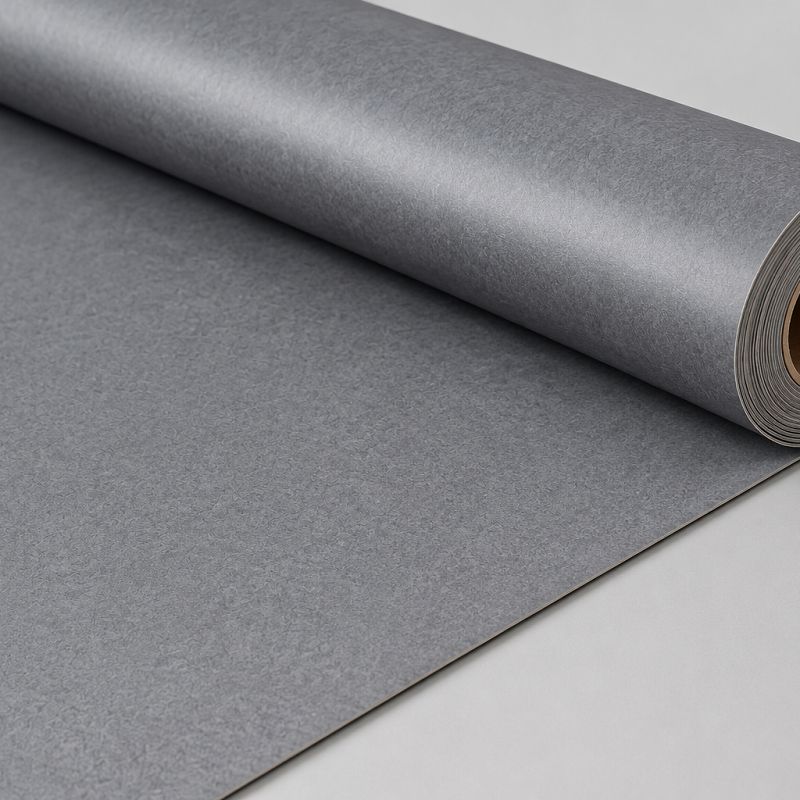
Homogeneous Vinyl Flooring Hey there, everyone! Let’s cut to the chase: if you’ve ever watched a dance competition and thought, “Wait, why do those dancers look like they’re gliding instead of scraping their feet raw?” — you’ve probably wondered about dance flooring, right? As a dance flooring supplier who’s been deep in this game for years, I get that question all the time. A lot of competition organizers, dance teams, even new dancers think, “Carpet’s fine, right? It’s cheap. Why spend extra on a fancy floor?” But let me tell you — skip the dance-specific flooring at your own risk. It’s not just a luxury; it’s a competition game-changer, and I’m gonna break down why that’s the case. First off, let’s talk about what makes a good competition floor different from, say, the old studio floor or your gym’s scratchy basketball court. Dance is a mix of jumping, spinning, sliding, and sharp, controlled movements — all while keeping your feet safe, and let’s not forget, looking sharp on camera. If you’ve ever seen a dancer mid-pirouette face-plant ‘cause their floor was too sticky or too slippery? Yeah, that’s not a “oops” — that’s a floor that’s not built for competition. Let’s get science-y for a sec (don’t worry, I’ll keep it simple). Dance flooring is made with a “layered system,” right? Top layer is usually a vinyl or poly material that’s got just the right coefficient of friction — not so sticky that you can’t spin, not so slippery that you go flying. Then there’s a middle cushion layer that absorbs impact. When you do a double pirouette, that’s way more force than a regular step, and if that impact hits your knees or ankles? You’re gonna be sidelined for weeks, maybe even months. I’ve worked with so many teams that showed up to a regional comp with their own portable floor, not realizing the gym’s concrete underneath was throwing off their entire setup. Last year, a college hip-hop team reached out panicking ‘cause their gym’s floor was so rough, half their crew had blisters on their heels before the first round. We sent them a temporary portable dance floor, and they ended up taking third place — no blisters, no slips, just clean moves. That’s the stuff that matters. Let’s address the elephant in the room: do judges actually notice? Wait, yeah — and not in a “checking the floor” way, but in a “you look effortless” way. Judges score on technical merit, right? If you’re focusing 50% of your energy on not face-planting, you can’t nail that precision. I remember a competitive ballet team that switched to our permanent sprung floor for their state comp. Their lead dancer’s fouettés were so consistent, the judges even mentioned it in their feedback — said it looked like she “was floating on air.” That’s not her talent alone; that’s the floor helping her execute those moves correctly. What about different dance styles? ‘Cause a hip-hop crew’s needs are way different from a ballroom pair, right? Hip-hop is more sharp jumps and slides — so they need that slightly grippy top layer to keep from sliding too far when they do a backflip. Ballroom is all gliding steps and tight spins, so they need something a bit slicker but still stable. We get that. Not all dance floors are one-size-fits-all, and that’s exactly why competition organizers should invest in style-specific flooring. I’ve had ballroom teams turn down comps before ‘cause the organizer only offered a generic gym floor. They said, “We can’t compete on that — we’ll slip during the tango.” Generic floors aren’t built to adjust to different dance’s movement demands, and that’s a huge missed opportunity for comps. Now, let’s talk about durability and fairness. Wait — fairness? Yeah, weird, but true. If one team gets to dance on a floor that’s fresh, smooth, and has the right friction, and another team gets a floor that’s been used for 10 years and has scratch marks or wet spots? That’s unfair. Dance flooring is designed to withstand heavy use, so a professional-grade floor will keep its consistency for years. I know a national-level comp that used our rental flooring for 5 straight weekends, and every time, the friction was the same, the cushion didn’t break down. Compare that to a gym floor that gets used for basketball, cheerleading, and dance — it’s gonna have uneven wear, scuffs, and sticky spots from spilled soda or water. How is that fair to the dancers who have to adapt mid-comp? Safety is the big one, though — I can’t stress that enough. I’ve met so many young dancers who dealt with knee injuries because they were training on a hard, unforgiving floor. When you land a jump, the force that would be absorbed by a good dance floor instead hits your joints. Over time, that leads to chronic pain. Last year, we worked with a local high school dance team that had a dancer tear a meniscus during a comp on a gym floor. She was out for 6 months, and the team lost their spot at state. If they’d had a proper competition floor, that injury probably wouldn’t have happened. It’s not just about winning — it’s about keeping dancers on their feet, doing what they love. A lot of people ask me: “Can’t we just rent a temporary floor instead of installing something permanent?” And yeah, you can — temporary portable dance flooring works great for one-off comps. I’ve set up floors for regional shows, national championships, even outdoor comps (as long as we use water-resistant materials for that). The key is to make sure the portable floor is laid correctly — no gaps between tiles, no bumps, and the subfloor (what’s under it) is smooth. I once worked at an outdoor comp where the organizer tried to lay portable floor over uneven grass, and half the tiles shifted during the first hip-hop set. We ended up redoing the entire setup in 2 hours, but that’s why it’s important to work with a supplier who knows how to install it right. Permanent floors are better for long-time, annual comps, though — they hold up way better to constant foot traffic, and you don’t have to stress about setting up and tearing down every year. But let’s get real: it’s not just a “pro dancer” thing. I’ve had kids’ comps reach out, too — the tiny recital teams doing jazz and tap. Tap dancers need that right amount of friction so their taps make noise, right? If the floor is too slick, their taps don’t register, and they lose points for technique. That’s a small detail, but it’s huge for those little kids who’ve been practicing their routine for months. I remember a 10-year-old tap dancer who cried after her first comp ‘cause her taps were too quiet. We brought in a temporary floor for the next comp, and she came back with a first-place trophy. That’s the stuff that makes this job worth it. Wait, let’s debunk a myth here: some people say “dance flooring is too expensive.” Yeah, it’s an upfront cost, but think about what you save in the long run. If you have proper flooring, you don’t have to deal with injured dancers, lost revenue from teams dropping out, or bad reviews because of slips. I’ve seen comps skip on flooring and end up paying thousands in medical bills for injured dancers. That’s way more than the cost of a good dance floor. Plus, for rental or temporary flooring, it’s way cheaper than installing permanent, and you can upgrade it every year if you need to. At the end of the day, dance competitions are about skill, hard work, and passion — but if your floor isn’t set up to help dancers show their best? You’re not just holding a competition; you’re holding a barrier that keeps people from shining. I’ve been in this industry for years, and I’ve seen it all: dancers winning because their floor worked for them, teams dropping out because they couldn’t get traction, injuries that took people away from what they love. The good news is, this is an easy fix. You don’t have to overcomplicate it. Whether you’re organizing a one-day regional comp or a national championship, if you use dance-specific flooring, you’re making the competition safer, fairer, and way more fun for everyone involved. If you’re thinking about upgrading your comp’s flooring, or just have questions about what works best for your style, reach out — I’m here to help. I know how overwhelming it can be to plan a competition, and I want to make this part easy for you. Don’t hesitate to connect with me to chat through options, get a quote, or even ask about rental and installation services. We can work together to make sure your next competition is one where every dancer feels supported, safe, and able to give their all. Dance Flooring
References
- American College of Sports Medicine. (2021). Impact absorption in dance surfaces and athletic performance. Journal of Sports Medicine and Physical Fitness, 61(5), 723-730.
- International Dance Council. (2022). Best practices for competition dance flooring: Style-specific requirements and safety standards. Dance World Report, 18(2), 45-52.
- Dance Retailers Association. (2020). Portable vs permanent dance flooring: A comparative analysis for competition organizers. Dance Industry Insights, 9(4), 112-118.
- National Athletic Trainers’ Association. (2019). Reducing lower extremity injuries in dance: The role of appropriate flooring surfaces. Athletic Training Today, 14(3), 22-27.
Qingdao Xinkailin Environmental Protection Materials Co., Ltd.
As one of the most professional dance flooring manufacturers and suppliers in China, we’re featured by quality products and good price. Please rest assured to buy premium dance flooring for sale here from our factory. Also, custom service is available.
Address: Room 618, Hedaxinduhui, No. 196 Tailiu Road, Shibei District, Qingdao City
E-mail: laura@xklflooring.com
WebSite: https://www.xklflooring.com/
