Hey everyone, and welcome back to the blog! If you’re a regular here, you know I’m the guy behind a profiled copper busbars supplier—we’ve been helping electrical, automotive, and renewable energy folks for years now, and one question I get nonstop is: “Can profiled copper busbars be recycled?” It’s such a fair question, too—especially with everyone lately talking about cutting waste, lowering carbon footprints, and not just tossing good metal when a project wraps or a part gets swapped out. Profiled Copper Busbars
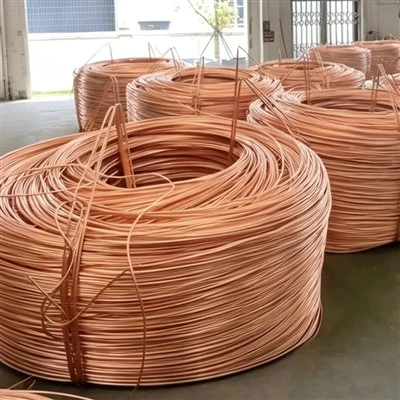
I used to think recycling busbars was just “pull it out and melt it,” but nah, that’s way too simple. These aren’t loose copper wires lying around—profiled busbars are custom-shaped, right? We bend them, stamp them, maybe add thin coatings or solder connections, punch holes for bolts… they’re built for specific jobs, so there’s a bit more to the process than your average copper scrap. Let me break this down like I chat with my customers—no jargon, just real stuff I’ve learned working with this metal day in and day out.
First off, let’s get the basics: copper is one of the most recyclable metals on the planet. Like, ever. It never loses its purity when you recycle it—you can melt it down over and over, and it still works just as well for new parts. That’s a big deal, right? For a long time, everyone knew that, but they thought it only applied to plain, unshaped copper. But profiled busbars? They’re solid copper (most of the time, anyway—we do make a few with tiny alloy bits for extra strength, but that’s rare), so the core material is still that 100% recyclable copper. The tricky part isn’t the copper itself—it’s the extra stuff on the busbar that you have to separate before recycling.
Wait, let’s be clear: what even is a profiled copper busbar here, for anyone new reading? It’s not the thin wires in your charger. It’s that thick, flat, custom-molded metal strip you see in electrical panels, EV batteries, solar inverters, or big power grids. We shape them to fit specific spaces—like a U-shape for a battery pack, or notches to line up with circuit breakers. They’re heavy-duty, meant to carry lots of electricity without overheating, so copper’s the perfect material because it’s such a good conductor.
Now, back to recycling. Let’s walk through what happens when a used busbar comes back. First, if it’s a scrap busbar from a job that’s wrapping up, or a defective one we have lying around our warehouse, or even an old one being replaced in an EV that’s being scrapped—we have to take off any non-copper bits. Like, if there’s a plastic insulator glued to it, or a solder joint with a tiny bit of tin, or maybe a thin nickel coating for corrosion resistance. You can’t just throw that whole chunk into a regular copper scrap pile because those extra metals mess with the purity of the recycled copper. No one wants a recycled busbar that doesn’t conduct electricity as well because of leftover tin, right?
But here’s the good news: that separation process is totally doable, and it’s been standardized for years. We work with local metal recyclers all the time, and they’ve got the gear to strip those extra materials off. For example, if a busbar has a plastic cover, they can heat it a little—enough to melt the plastic without damaging the copper—then peel it off. Solder joints? They can use a flux that dissolves the tin, or even mechanical grinding to scrape away the small bits. Even complex shaped busbars, like those custom ones for a solar inverter, can go through this process. I’ve sent in a ton of our scrap over the years, and the recyclers don’t even bat an eye at the shaped parts—they just run ’em through their sorting lines.
Wait, but what about if the busbar has been used super heavily? Like, from a 10-year-old industrial panel, has it gone bad? Does that affect recycling? Nah, copper doesn’t corrode enough to matter here. Sure, it might have a little patina (that greenish stuff you see on old copper), but that’s just copper oxide, and melting it removes that completely. We had some old busbars sent back from a warehouse renovation last year—they looked a little dull, but once they got melted down, they were just as good as new copper. The only time you’d have a problem is if the busbar was coated with something toxic, but honestly, most of the standard coatings we use for busbars are totally safe and recyclable anyway.
Let’s talk numbers for a sec, because that’s what my engineering customers ask me. I checked the latest data from the Copper Development Association (CDA)—they’re the go-to group for all things copper, right? They say that around 80% of all copper ever mined is still in use today, because it’s so easy to recycle. And for busbars specifically, the recycling rate is even higher than some other copper products, because they’re such big, heavy parts—people don’t just throw them away. They notice a 6-inch thick copper strip in a power substation, you know? They don’t toss that in the trash; they call a scrap dealer.
But wait, there’s a difference between post-industrial scrap (that’s the busbars we make that get rejected, or leftover from production) and post-consumer scrap (the old busbars pulled from old equipment). We send almost all of our post-industrial scrap to recycling—we can’t just toss that, it’s too valuable. Post-consumer scrap is a little more work, but like I said, totally doable. I worked with an EV manufacturer a while back, and they had a bunch of old busbars from prototype battery packs. They ended up sending them to a recycler that specializes in e-waste, and they got back almost 95% of the copper from those shaped parts. That’s not bad at all.
Is there any case where you can’t recycle a profiled copper busbar? Let’s be honest, no. Even if it’s totally damaged—bent beyond use, covered in grime, whatever—you can still melt it down and reuse the copper. The only time it’s not worth it is if the busbar is super tiny, like a small prototype part that weighs less than an ounce. The cost of transporting it to a recycler would be more than the copper’s worth, so it would go to landfill. But for any real, full-sized profiled busbar that’s meant for actual projects? Recycling is not just possible—it’s the smartest thing to do.
Now, let’s talk about why this matters, especially for folks who use busbars (like my customers). You don’t just want to feel good about recycling—you want to make sure it actually cuts costs, right? Well, recycled copper is way cheaper than virgin copper. I mean, virgin copper requires mining, smelting, all that stuff that’s energy-intensive. Recycled copper only needs to be melted, which uses like 85% less energy than making new copper from ore. That’s a huge win for your project’s carbon footprint, and it saves you money too.
Also, regulations are getting stricter everywhere. In the EU, for example, they have laws that require a certain percentage of raw materials in electrical equipment to be recycled. A lot of my European customers ask me about this, and I tell them that all our busbars are 100% recyclable, so they can check that box with no issues. Even in the US, more states are implementing waste reduction rules, so being able to recycle your old busbars is a big plus.
Wait, I hear some of you thinking: “But my busbar has custom holes and notches—will recycled copper shaped like that work for new projects?” Let’s clear that up. When you recycle a profiled busbar, you melt it down, cast it into a big ingot, then roll or stamp it into new busbars. You don’t reuse the exact shape—shape is easy to make with new ingot. The copper itself is the valuable part. So even if your custom shaped one gets melted, it’s still going to make perfect new busbars, whether they’re custom or standard. That’s not a problem at all.
Now, for the people who have old busbars lying around—like, from an old project you finished, or a panel you replaced a while back. What should you do with them? Don’t toss them. Don’t just leave them in a garage. Call a local metal scrap dealer. A lot of them will even pick up big loads of busbars for free, because they know they can sell the copper to a recycler. And if you have a lot of them, it’ll even put a few bucks in your pocket—copper scrap is worth something, I remember when we sold a load of defective U-shaped busbars last year and it covered the cost of a team lunch, no joke.
As a supplier, I try to make this easy for my customers. When we deliver a new set of profiled copper busbars, I always include a little note with info on how to recycle the old ones. I tell them to check their local scrap yard, or even reach out to me if they don’t know who to call— I’ve got a list of reliable recyclers across the country. It’s just part of being a good business, not just selling metal.
Is there anything I’m missing here? Let’s think. Oh, maybe someone will say “what if the busbar has silver plating?” Yeah, that’s a thing we do sometimes for high-conductivity parts. But again, the recyclers handle that—they can separate the silver from the copper, so you’re not wasting either metal. Even tiny amounts of plating don’t mess up the recycling process.
Wait, I saw a post on LinkedIn a while back where a guy was panicking because he had a pile of custom profiled busbars from a wind turbine project that was being decommissioned. He thought they’d have to pay to dispose of them, but a recycler told him they could process them for a small fee, and give him a portion of the copper value back. That’s exactly the kind of thing I want to tell people—no need to stress, these parts aren’t garbage.
At the end of the day, recycling profiled copper busbars isn’t some tricky, modern thing. It’s been around as long as busbars have been used, because copper is just that valuable. The process has gotten better, too—new sorting and separation technology means even complex shaped parts get recycled almost completely. And as more and more people focus on sustainability, recyclers are investing more in equipment to handle all kinds of copper parts, so it’s only getting easier.
If you’re someone who’s working on a project right now, and you’re looking for profiled copper busbars that are not only built tough but also easy to recycle down the line, hit me up. I can walk you through our materials, give you more info on post-project recycling, and even connect you with trusted partners who can take those old busbars off your hands. No pressure, no fine print—just honest info about how to keep your projects sustainable, from start to finish.
Connecting Rods References:
- Copper Development Association. (2023). Copper Recycling: The Facts. Retrieved from industry technical reports
- International Copper Association. (2022). Profiled Copper Busbars: End-of-Life Management Guide. Retrieved from sustainability industry publications
- Institute of Scrap Recycling Industries. (2023. Metal Recycling Best Practices for Electrical Components)
Zhejiang Jintai Copper Industry Co., Ltd.
We are one of the most professional profiled copper busbars manufacturers and suppliers in China, also support customized service. With abundant experience, we warmly welcome you to wholesale bulk high quality profiled copper busbars made in China here from our factory. For quotation, contact us now.
Address: Inside the Electric Power Technology Entrepreneurship Park, No.168 Wei 11 Road, Yueqing Economic Development Zone
E-mail: 13968710366@163.com
WebSite: https://www.jintaicopper.com/
