Hey there, fellow auto boring machine users and maintenance folks – if you’ve ever stared at your machine mid-shift, wondering why it’s making that weird grinding noise or why your cuts aren’t as smooth as they used to be, this post’s for you. I’m [Your Name], part of the team at the auto boring machine supplier you actually want to work with – you know, the one that doesn’t ghost you when you ask a basic question about upkeep. Today, we’re talking about something simple but make-or-break: lubricating your auto boring machine. Skip this step, and you’ll be shelling out for way pricier repairs later – trust me, I’ve seen it too many times. Auto Boring Machine
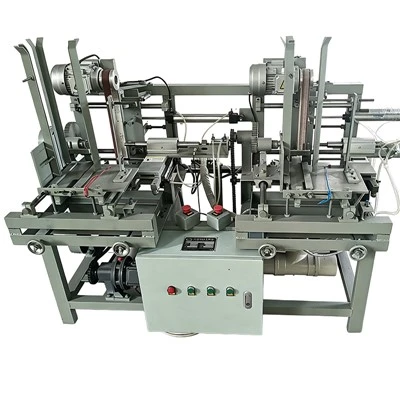
First, let’s get one thing straight: lubrication isn’t just “putting oil on stuff.” This machine’s a workhorse – it’s spinning huge cutting heads, pushing through tough metal, and taking a beating every single day. Cut corners here, and you’re looking at seized bearings, misaligned bores, or even a total breakdown that halts your whole shop. I’ve had customers who thought “a little WD-40 here” was enough, only to have their machine die three weeks into a big job. Don’t be that person.
Let’s break this down step by step, no jargon, just what you actually need to do, when you need to do it, and what to use.
First: Know What Parts to Lubricate (And What to Skip)
Your auto boring machine has a few key spots that get all the action, and the rest? They’re sealed for a reason – mess with those, and you’ll let in dirt and metal shavings which are way worse than no lubrication. Let’s list the must-lube parts first:
- Main spindle bearings: This is the heart of the machine. The spindle spins the cutting tool, so if these bearings aren’t lubed right, the whole thing will wobble.
- Feed screws and nuts: These move the cutting head back and forth along the machine’s beam – no lube here, and they’ll bind up so tight you can’t turn them by hand.
- Guide rails: The beam slides along these rails, so they need something that sticks around, not just thin oil that drips off.
- Hydraulic system components: Valves, pistons, and hoses – the hydraulics keep the pressure right for the boring cuts, so dirty or dry parts here mean inconsistent cuts.
What to skip? Sealed gearboxes, the motor’s internal parts, and any electrical connections. A lot of new guys accidentally spray WD-40 on wires or into the motor, and that’s a quick way to blow a fuse or fry the motor. Save the spray for the rails only if you’re using a dry lube, but even then, be careful.
What Lubricants to Use (Don’t Guess)
This is where I see the most mistakes. Some guys grab whatever oil’s on the shelf at the shop, but auto boring machines need specific stuff. Let’s keep it simple:
- For spindle bearings and hydraulic systems: Use a heavy-duty, anti-wear (AW) hydraulic oil with a viscosity of 32 to 68. If you’re in a cold climate (below 40°F), go with 32; warm climates? 68. No regular motor oil here – motor oil’s designed for engines, not constant high pressure and spinning parts.
- For feed screws and guide rails: Use a high-pressure, extreme pressure (EP) grease. Look for one labeled for industrial machines, with NLGI grade 2 – that’s thick enough to stick but not too gloopy to cause friction. Skip the cheap wheel bearing grease; it won’t hold up to the constant sliding of the beam.
- Quick note: Never mix different lubes. If you’ve been using a specific oil or grease, stick with it unless the machine’s manual says otherwise. Mixing can cause gunk that gums up parts.
Step-by-Step: How to Lubricate Your Auto Boring Machine (The Right Way)
Let’s walk through this like you’re doing it right now – no skipping steps. I recommend doing this during a scheduled downtime, not mid-job, so you have time to do it thoroughly. Most machines need this every 50 to 100 operating hours, but if you’re running your machine 8+ hours a day, do it every 50. If it’s slower, every 100 is fine.
-
** Prep first: Safety and clean the area**
- Unplug the machine or lock out the power (seriously, don’t skip this – I’ve seen a guy’s jacket get caught in a running spindle when he leaned over to lube, and he ended up in the hospital).
- Wipe down all the lube spots with a clean rag. If there’s old grease or metal shavings, use a wire brush (gentle!) or a parts cleaner to get it off. Dirt is the #1 enemy of your machine – if you lube over it, you’re grinding tiny rocks against the parts.
-
Spindle bearings
- Most auto boring machines have zerk fittings (those little grease nipples) on the top or side of the spindle housing. Grab a grease gun loaded with your AW hydraulic oil, not EP grease – wrong lube here causes issues.
- Pump the grease slowly until you see a little bit come out the bottom of the spindle housing. Stop right then – over-greasing causes heat, which is just as bad as under-greasing. If you pump too much, it can seal into the bearings and cause friction.
- Wipe up any excess that comes out, and move the spindle a few times by hand to work the grease in.
-
Feed screws and nuts
- The feed screw’s usually along the back of the main beam. Find the access ports or zerk fittings on the nut that slides along the screw.
- Grab your EP grease gun, and pump 2 to 3 shots into each port. Don’t overdo it here either – too much grease will attract dirt and make the screw slide unevenly.
- Now, manually move the cutting head all the way to one end of the beam, then all the way to the other. This works the grease into every spot on the screw and nut. If you see excess grease oozing out, wipe that off – you don’t want it dripping onto your workpieces.
-
Guide rails
- This is probably the spot most people mess up. The rails are the two long metal bars the beam slides on, so they need a lube that doesn’t drip. Grab a can of rail lube or the same EP grease we used for the feed screws.
- For grease: Apply a thin, even line along the top of each rail – don’t glob it on. You want enough to coat the rail, not enough to run off.
- For spray rail lube: Hold the can 6 inches away from the rail, and spray a light, even coat. Too thick, and it’ll attract dirt.
- Again, move the beam back and forth a few times to spread the lube evenly. Wipe up any that gets on the sides or bottom of the rails – it’ll drip onto the floor or your parts later.
-
Hydraulic system
- Check the hydraulic reservoir first – make sure the level is between the “MIN” and “MAX” lines. If it’s low, top it off with the right AW oil. Don’t overfill it; expansion from heat will cause leaks.
- Next, cycle the hydraulic functions a few times (raise and lower the boring head, move the feed, activate the clamp) to let the new oil work through the lines.
- If you see any leaks around the hydraulic valves or hoses, note that down – small leaks can turn into big problems fast, and we can help you with replacement parts if you need ’em.
Common Mistakes I See All The Time (And How to Avoid Them)
Let’s get real – I’ve heard every excuse from customers. Here’s the stuff that’s gonna kill your machine:
- Lubing only the “easy” spots: A lot of guys grease the rails and call it a day, but the spindle bearings and feed screws are way more important. I had one customer who did that, and his spindle seized up mid-bore on a $10k engine block. Ouch.
- Using old or expired lube: Grease goes bad after a year, even if it’s unopened. If your grease has separated into lumpy bits, throw it out and get new stuff. Same with oil – if it’s dark or has metal shavings in it, don’t use it.
- Lubing when the machine’s hot: If you just finished a 12-hour shift, the metal parts are expanded, so lube won’t spread correctly. Let the machine cool down for 30 minutes after use before you do your lube routine.
- Ignoring old lube buildup: Every 3 months, do a deep clean of the feed screws and rails. Wipe off all old grease, then re-lube. Buildup of old grease and dirt is like sandpaper on your parts – it’ll wear ’em out twice as fast.
When to Call Us (Yes, We’re Here to Help)
Look, even if you do everything right, sometimes you’ll run into issues. If your spindle’s making a weird noise after lubricating, or the feed is binding, or you’re getting inconsistent bore sizes, don’t waste time guessing – reach out. We sell auto boring machines, but we also support our customers long after they buy. Whether you need replacement bearings, a new hydraulic pump, or just another tip on maintenance, we’re the team you can call, no hoops to jump through.
At the end of the day, lubrication is the cheapest maintenance you can do for your auto boring machine. Skip the cheap lube, skip the half-assed steps, and you’ll get years of reliable use out of your machine – instead of having to replace parts every few months. We’ve seen machines that run 20+ years with regular lubrication, and ones that die in 2 because of bad upkeep. Don’t be the latter.
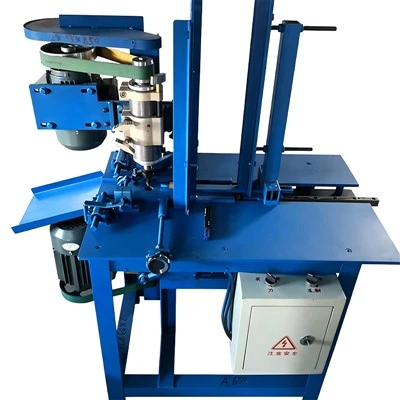
If you’re in the market for a new auto boring machine, or you need parts for the one you have, we’ve got you covered. Just reach out to us to talk through your needs – we’ll help you find the right machine, the right parts, and even go over a custom maintenance schedule for your shop. No pressure, no sales pitches – just honest advice from the team that actually works with these machines every day.
Belt Sander With Long Handle References:
- Industrial Lubrication Magazine, “Best Practices for Machine Tool Lubrication,” 2022.
- National Tooling and Machining Association (NTMA), “Maintenance Guidelines for Industrial Boring Machines,” 2021.
- SKF Group, “Spindle Bearing Lubrication for Heavy-Duty Machine Tools,” Technical Report 15-09, 2020.
Tongcheng Shengfeng Machinery Factory
As one of the most professional auto boring machine manufacturers and suppliers in China, we’re featured by quality products and good service. Please rest assured to buy durable auto boring machine for sale here from our factory. Contact us for more details.
Address: Shapu Village, Qingcao Town, Tongcheng City, Anhui Province
E-mail: 15955686317@163.com
WebSite: https://www.shengfengmachine.com/
