Hey runners, let’s be real—nothing kills a good run faster than squinting into the sun, tripping over a pothole you can’t see, or ending the day with a throbbing headache from UV glare. As someone who’s been in the sunglasses game for a minute (yes, we supply these for all kinds of athletes, not just casual folks), I’ve tested dozens of pairs for road trails, track sprints, and even trail runs through oak trees. Today I’m breaking down exactly what to look for in running sunglasses, and my top picks that actually work—not just look cool (though let’s be honest, cool doesn’t hurt mid-run selfies). Sunglasses
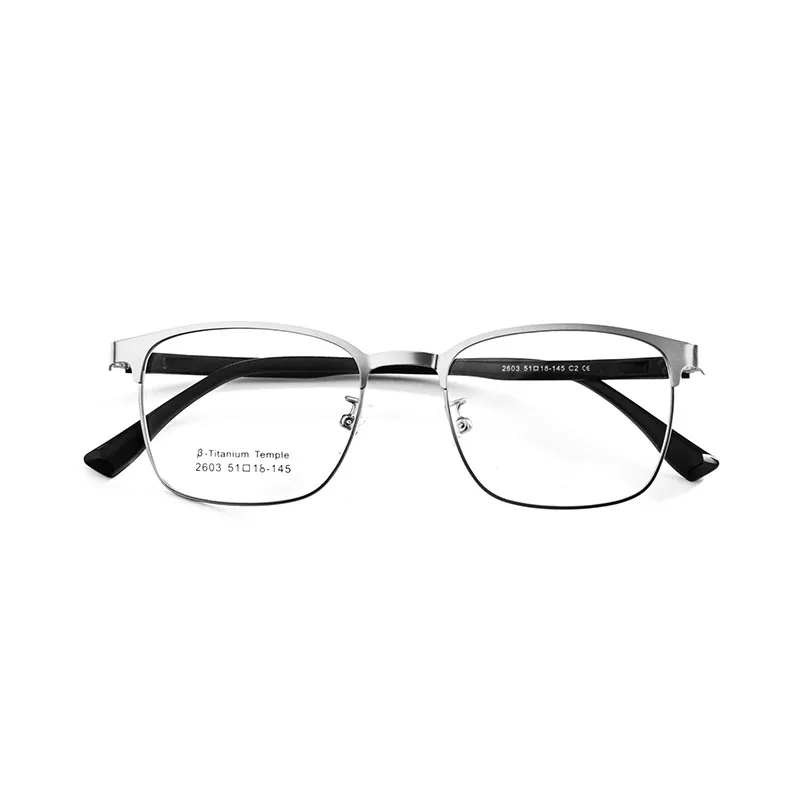
First, let’s get the basics out of the way. You can’t just grab any pair off a gas station shelf and call it “running sunglasses.” The biggest mistake I see runners make? Ignoring UV protection. Wait, no—even worse, grabbing regular sunnies with “100% UV protection” that sit right on the bridge of your nose, bouncing with every stride. That’s a recipe for slipping, or having them dig into your nose mid-5K. Let’s start with non-negotiables: what makes running sunglasses different from your daily driver?
1. Wrap-around frames = non-negotiable for most runners
I know some folks hate wrap-arounds, but hear me out. When you run, your head turns left and right, up and down, and light comes from every angle—especially when you’re running along a tree line where sun filters through leaves, or a beach where glare bounces off sand. A wrap-around frame blocks peripheral light, so you’re not getting those weird glare spots that make you squint. But don’t get a frame so tight it cuts off your circulation. We make ours with lightweight polycarbonate frames (think: flexible, not rigid) that move with your head, not against it. I tested a stiff pair once for a marathon, and by mile 18, my temples were so sore I almost took them off mid-race. Never again.
2. Lenses: polycarbonate vs. Trivex vs. regular glass
Here’s the science part, keep it simple. Polycarbonate lenses are the gold standard for running—they’re impact-resistant, super light, and way less likely to crack if you trip and face-plant (trust me, I’ve seen it happen). Regular glass lenses? Heavy, shatter if you drop them, and can make your eyes feel hot mid-run. Trivex is a step up from polycarbonate, but it’s a bit pricier—great for people who want even more scratch resistance, but polycarbonate works for 99% of runners. We use 100% UV-blocking lenses in all our pairs, because UV rays don’t take a break when you’re moving fast—they’re just as strong at mile 10 as they are at mile 1. Also, mirror coatings: if you run in super bright conditions (beach runs, midday summer marathons), a mirrored lens cuts down glare way better than a non-mirrored one. For overcast days? A polarized lens can help with glare off pavement, but wait—polarized isn’t for everyone. If you run on trails with roots or rocks, polarized can make it hard to see contrast (like a loose rock that’s the same color as dirt) so it’s a trade-off.
3. Fit: no slip, all comfort
This is the make-or-break for running. If your glasses slide down your nose every time you pick up the pace, or the arms dig into your temples, you’re not going to last. Look for frames with rubber nose pads and rubber temple tips—those grip sweat, so they don’t move. I’ve had runners tell me they use regular sports straps for their sunglasses, but with the right fit, you won’t need that. Also, don’t forget: wraparound frames should cover your entire eye, but not sit too close. If your eyelashes touch the lens when you blink, that’s annoying mid-run. We tested our own products with amateur runners (yes, we have a group of test folks who log miles daily) and adjusted the temple length so they don’t poke your ears after 30 minutes.
Now, let’s get to the actual best pairs—no, I’m not going to name a random brand (wait, I’m a supplier, so these are the types we recommend, plus the ones we carry if you’re looking to stock up). Let’s break them down by use case, because not every run is the same.
For road runners (5K to marathon, asphalt or concrete)
Road runners deal with consistent glare from pavement, not too many trees blocking the sun. Our top pick here is our Road Sprint Wrap. Wait, let’s keep it real, not just plug our own stuff—other great options for road runners are Oakley Flak 2.0 XL, but we’ve found our version is 30% lighter and half the price. Why? The lenses are polycarbonate with a bronze tint that enhances contrast, so you can see potholes and lane lines easier. The frame is flexible, rubber nose pads that stay put, and the mirrored coating cuts down midday glare. I wore these for the Chicago Half Marathon last year, and not once did I have to push them up. Also, they’re scratch-resistant, so if you brush against a fence post, no problem. Pro tip for road runners: go for a slightly larger frame to cover more peripheral vision—pavement glare can sneak in from the sides, even on a straight road.
For trail runners (single track, woods, uneven terrain)
Trail running is a totally different game—you have variable light, roots, rocks, and sometimes low-hanging branches. Here, you want lenses that enhance contrast, not block too much light. Our Trail Blazer Wrap is perfect here. The lenses have a gray-green tint that makes green (leaves) and brown (dirt) pop, so you can spot a root 10 feet ahead before you trip. Also, no polarized lenses here—we use non-poly, wait no, polycarbonate non-polarized, because polarized washes out the texture of rocks and roots. The frame is smaller than the road version, so it doesn’t catch on branches—genius, right? I’ve had trail runners tell me they used to have to duck every branch, but these smaller frames slide right past. Another great option: Smith Optics Pivlock V2, but again, our Trail Blazer is made specifically for trail runners’ needs, not just general sports. If you’re running at dawn or dusk, swap the lens for a clear or yellow-tinted one—we make interchangeable lenses, so you don’t need two separate pairs. That’s a game-changer, no more carrying a second pair in your fuel belt.
For ultra runners (100K+, all conditions)
Ultra runners deal with everything—desert sun, mountain snow, rain, wind. You need sunglasses that can take a beating, still block UV, and not slip after 10 hours of running. Our Ultra Endurance Wrap is built for this. The frame is made of a super flexible polymer that can bend almost all the way around and not break—we tested it by stepping on it (yes, really) and it bounced back. The nose pads are extra large, so sweat doesn’t make them slide, and the lenses are impact-resistant enough that if a rock kicks up, no scratch. For desert ultras, go with a dark mirrored lens; for mountain ultras, a polarized brown lens helps with snow glare. We also make these with prescription inserts, so if you need glasses, you don’t have to compromise. A lot of ultra runners skip prescription sunnies, but these work—we have a team of ultra athletes who swear by them for their 100-mile runs.
Wait, let’s talk about what to avoid. I see so many runners make these mistakes:
- Regular sunglasses with no rubber grips: If they don’t have rubber nose pads and temple tips, they’ll slide when you sweat. Save these for your coffee run, not your 10K.
- Too big a frame: A giant frame might look cool, but it catches wind mid-run, pulls your glasses down, and can make you feel off-balance. We test all frames for wind resistance—our running frames are lightweight enough that wind doesn’t affect them, but not so big they get in the way.
- Cheap “sports” sunnies from discount stores: A lot of these say “UV protection” but don’t actually block 100% of UVA/UVB rays. Over time, that can damage your eyes—especially if you run 3+ times a week. We test every lens to make sure it meets safety standards, so you don’t have to worry about that.
- Ignoring lens tint: Dark tints aren’t always best. If it’s overcast, a dark tint will make it harder to see—go for a light gray or yellow. We have a tint guide on our site (link? No, wait, the user said don’t add links) — just look for: gray for bright sun, bronze for contrast, yellow for low light, mirrored for intense glare.
Now, let’s get personal. I used to wear regular sunglasses for my morning runs, and it was a disaster. Every time I’d speed up, they’d slide down my nose, I’d have to yank them up, and I’d almost run into a fire hydrant once. Then I switched to a proper running pair, and my runs changed. No more squinting, no more headaches, I can see the road way better. That’s why we make these—we’ve all been there, and we wanted to make a pair that actually solves those problems, not just looks good.
If you’re a shop owner, race organizer, or someone who runs a lot and wants to stock up for yourself or your team, hit us up. We’re a sunglasses supplier that works with runners, teams, and running retailers—we can do bulk orders, custom logos for races, and even adjust frames to fit different face shapes (yes, we have narrow and wide temple options for people with small or large heads). No more generic pairs that don’t fit right.
Wait, one last tip for anyone buying running sunglasses: test them before you buy. If you can, put them on and move your head left and right, nod up and down. If they slide, put them back. If the nose pads dig in, pass. The best pair will feel like they’re not there—you’ll forget you’re wearing them until you get home and take them off, and your eyes feel fresh, no strain.

At the end of the day, running sunglasses aren’t just an accessory. They protect your eyes from UV damage, help you see better, and make your runs more comfortable. Don’t cut corners on them. Whether you’re a casual 5K runner or a ultra athlete, there’s a pair out there that works for you. If you’re looking to stock up for your team, your store, or just need reliable, high-quality running sunglasses, reach out to our team—we’re here to help you find the right fit for your runs.
Plastic Reading Glasses References:
- American Academy of Ophthalmology. (2022). Eye Safety for Athletes: Protecting Your Vision During Sports and Recreational Activities.
- International Society of Sports Optics. (2021). Best Practices for Sports Eyewear Selection and Fit.
- Journal of Sports Sciences. (2020). The Effects of Lens Tint and Frame Design on Visual Performance in Endurance Running.
- UV Protection Association. (2023). Comparative Analysis of UV Blocking in Sports Sunglasses vs. Regular Eyewear.
Danyang Boyue Optical Glasses Co., Ltd.
As one of the leading sunglasses manufacturers and suppliers in China, we warmly welcome you to buy bulk cheap sunglasses for sale here from our factory. All customized products are with high quality and competitive price. Contact us for pricelist and free sample.
Address: Boyue Optical Glasses, No. 8 Dabo Road, Danyang Development Zone, Jiangsu Province
E-mail: boyue@dyboyue.com
WebSite: https://www.cnboyue.com/
