Hey everyone, welcome back to the blog! If you’ve been on the hunt for wall panels lately—whether for a home renovation, office build, or even a retail space—you’ve probably seen “WPC wall panels” and “composite wall panels” thrown around a lot. I’m Sarah, one of the team here at the WPC wall panel supplier, and let me tell you: for months, I’ve had customers slide into our DMs asking, “Wait, is WPC just another fancy name for composite? Or are they totally different?” It’s such a common mix-up, and honestly? I get why. The terms sound similar, both look like easy, eco-friendly alternatives to solid wood or drywall, and a lot of brands use them interchangeably. But today, I’m breaking this down straight—no jargon, no fluff, just the real difference between WPC and composite wall panels, plus why WPC might be exactly what you’re looking for. WPC Wall Panel

First, let’s start with the basics: what even is “composite wall panels” in general? If you Google it, composite just means “a material made from two or more distinct materials that work better together than they do alone.” That’s a huge umbrella term. Think of it like “cake”: cake is made from flour, eggs, sugar, etc.—there are so many types of cake, right? Chocolate, vanilla, red velvet, even weird savory ones now. Composite wall panels are that whole cake category. WPC? That’s one specific flavor of composite cake—nothing more, nothing less. A lot of brands will label anything composite as WPC, but that’s like calling every cake a chocolate cake. It’s not accurate, and it’s where the confusion starts.
Let’s dig into that: WPC stands for Wood-Plastic Composite. As the name says, it’s a mix of wood fibers (usually leftover sawdust from lumber mills, or recycled wood waste) and plastic (often recycled plastic from bottles, packaging, or even old decking). The ratio is usually around 50-50 wood to plastic, give or take a little depending on the manufacturer. That mix is what makes WPC wall panels so popular. They look like real wood—you can stain them, paint them (though most come with a smooth wood-grain finish already), and they don’t warp or scratch as easily as solid wood. But they’re way more sustainable than solid wood, since they use waste materials instead of cutting down new trees. Plus, they’re low-maintenance: just wipe them down with a damp cloth, no sanding or refinishing every few years like you do with solid wood.
Now, what about other composite wall panels? Since composite is such a broad category, there are tons of types that aren’t WPC. Let’s talk about a couple of the most common ones you might run into. First, there’s PVC composite. Wait, PVC itself is a plastic, right? So PVC composite is mostly plastic with very little (if any) wood fiber. A lot of budget-friendly wall panels fall into this group—they’re lightweight, cheap, and easy to install, but they don’t have that warm wood look or feel. They can also be more prone to fading in direct sunlight, and some cheaper PVC composites might off-gas a little over time (though most modern ones are low-VOC, it’s still a thing to check). Then there’s fiber cement composite, which is made from cement, sand, and cellulose fibers (usually from wood pulp or recycled plants). These are super durable, fire-resistant, and great for outdoor spaces, but they’re heavy, brittle, and way more expensive than WPC panels. They also don’t look like wood at all—they have a more industrial, matte finish, which is perfect for warehouses or modern offices, but not what someone wants for a cozy living room renovation.
Okay, so now that we have the category straight: WPC is a type of composite wall panel, but not all composite wall panels are WPC. That’s the big, core difference. But let’s get into the nitty-gritty of how they actually perform, because that’s what matters most when you’re picking panels for your space. Let’s break down key factors: material, look, maintenance, durability, and cost.
First, materials. WPC is the only composite that uses a high percentage of real wood fibers and plastic. That mix gives it that natural wood grain that people love, but without the downsides of solid wood. Other composites, like PVC or fiber cement, skip the wood almost entirely. For example, I’ve had a customer come to us last month who tried a cheap PVC composite for her basement bar, and she said it felt like touching a thick plastic sheet—nothing like wood. WPC, on the other hand, has that subtle texture that feels like real wood, not a plastic knockoff.
Next, look. Let’s be real: when you’re putting up wall panels, you want them to look good, not just function well. WPC panels come in every wood finish you can think of—oak, walnut, pine, even reclaimed wood looks. You can get smooth, matte, or even slightly textured finishes that mimic the real thing so well, most guests won’t be able to tell it’s not solid wood. Other composites? PVC composite usually has a very uniform, smooth, almost plastic-y look—great if you want a sleek, modern vibe, but not if you’re going for a rustic, cozy home. Fiber cement is usually available in neutral tones like gray, off-white, or taupe, and it’s more for industrial or commercial spaces, not residential decor. Even better, WPC panels are easy to cut and customize if you’re a DIYer—you can trim them to fit around outlets, windows, or weird corners without special tools. I’ve had DIY customers install our WPC panels in a weekend, and they send us photos of their finished living room that look like a pro did it. A lot of other composites, like fiber cement, are heavy and require professional installation, which adds cost.
Maintenance is another big one. Let’s compare: WPC panels are water-resistant, not waterproof (important distinction). So if you spill a drink on them or have a humid bathroom, just wipe it up, no problem. They don’t rot like solid wood, and they don’t get moldy if you clean them regularly. What about other composites? PVC composite is waterproof, but as I said earlier, it’s more prone to scratches from furniture or pets. Fiber cement is totally waterproof, but it’s porous if it’s not sealed, and it can crack if a heavy object falls on it. WPC panels are also UV-resistant, so you can install them in sunrooms or covered patios without them fading after a year. PVC composite can fade in direct sunlight, so it’s not great for outdoor spaces, and fiber cement can handle sun, but it’s way more brittle. One thing to note: WPC does need to be sealed if you’re using it in a really wet area, like a shower wall, but even then, it’s a quick sealant coat, nothing compared to solid wood.
Durability-wise, WPC holds its own. It’s scratch-resistant, impact-resistant, and doesn’t warp or swell like solid wood. I’ve had a commercial customer who installed our WPC panels in a coffee shop kitchen area two years ago, and she told me there’s not a single scratch, even from baristas dragging coffee mugs across them. What about other composites? PVC is lightweight, so it can dent easier if you hit it with something, and fiber cement is heavy, so it’s great for high-traffic commercial spaces but not ideal for a small apartment renovation.
Now, cost. Let’s be honest, budget is a big factor for most people. WPC panels are mid-range—cheaper than solid wood, but a little more expensive than basic PVC composite. But wait, let’s do the math on long-term cost. PVC panels might be cheaper upfront, but if they fade in a year or get scratched, you’ll have to replace them, which adds up. WPC panels last 20-30 years with proper maintenance, so even though they’re a little more expensive upfront, you don’t have to replace them anytime soon. Fiber cement is way more expensive—like 2-3 times the cost of WPC panels—so that’s a big one for residential projects.
Wait, but let’s clear up a common myth: some people think WPC is less sustainable than other composites, but actually, most WPC panels are made with recycled wood and recycled plastic. That’s a huge selling point for us—we source 100% of our wood fibers from post-industrial wood waste from local lumber mills, and 70% of our plastic is recycled from milk jugs and plastic packaging. Other composites: PVC is mostly plastic, and even if it’s recycled, it’s still a plastic that doesn’t biodegrade, and some cheaper PVC composites have toxic additives. Fiber cement uses cement, which has a high carbon footprint because cement production is super energy-intensive. WPC, on the other hand, diverts waste from landfills—both the wood and plastic would otherwise end up there. That’s a win-win for both your space and the planet.
Now, let’s talk about when you’d pick WPC over other composites, and vice versa. If you’re doing a living room, bedroom, or home office, WPC is perfect—warm look, low maintenance, easy to install, sustainable. If you’re doing a budget commercial project, like a temporary retail pop-up, basic PVC composite might work for you, but just know it’s not going to look as high-end as WPC. If you’re doing an outdoor patio or a space that needs extreme fire resistance, fiber cement is a better pick, but it’s more expensive. If you’re doing a bathroom or a sunroom, WPC is great—water-resistant, UV-resistant, looks like wood.
Wait, let’s address a question I get all the time: can you paint WPC panels? Yes! Unlike solid wood, WPC doesn’t need a primer if you’re using a good exterior or interior paint, and it dries really evenly. A lot of customers want to customize their panels to match their wall color, so that’s a big plus. PVC panels can also be painted, but they’re more prone to peeling if you don’t use the right paint, since the plastic is non-porous. Fiber cement is also paintable, but it’s a lot rougher, so it takes more prep work.
Another thing: installation. WPC panels are designed to be click-lock or adhesive, so you can install them over existing drywall, which saves you the cost of removing old walls. Most other composites require you to attach them to a stud or frame, so you can’t install them over existing walls as easily. That’s a huge DIY plus—if you’re comfortable with basic tools, you can do this in a weekend. I’ve had customers send us time-lapse videos of their install, and it’s not hard at all.
Now, let’s get back to why it matters that WPC is a specific type of composite, not the same as all composites. The last thing you want is to buy “composite wall panels” thinking they’re going to look like real wood, only to get home and realize they’re thin, plastic-y PVC that doesn’t match your vision. That’s why clarifying the terms is so important. A lot of suppliers will use “composite” as a vague buzzword to make their products sound high-end, but when you dig in, you need to ask: is this WPC? How much wood is in it? What’s it made of?
At the end of the day, the best wall panel for you depends on your project, budget, and style. But if you want that warm, wood-like look, low maintenance, sustainability, and ease of installation, WPC wall panels are hard to beat. We’ve worked with homeowners, contractors, and small business owners over the years, and 9 times out of 10, they come to us because they heard WPC is the sweet spot between durability, look, and cost.
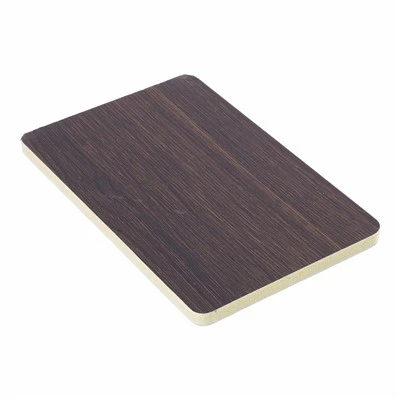
If you’re ready to check out WPC wall panels for your next project, or just have questions about installation, finishes, or pricing, the team here is here to help. We don’t do pushy sales—we just want to make sure you get the right panels for your space, whether that’s WPC or another type of composite.
WPC Grid References:
- American Wood Council. (2022). Wood-Plastic Composites: Properties and Applications.
- International Association of Certified Home Inspectors (InterNACHI). (2023). Wall Panel Materials: A Comparison of Composite Options.
- Recycling Today. (2021). The State of Recycled Plastic and Wood in Building Products.
- National Association of Home Builders (NAHB). (2022). Sustainable Building Materials for Residential Construction.
- Consumer Reports. (2023). Best Wall Panels for Home Renovations: Durability, Cost, and Style.
Shandong Diman International Trade Co., Ltd.
As one of the most professional wpc wall panel manufacturers in China, we have world-leading production equipment and strong manufacturing capabilities. Please rest assured to buy high quality wpc wall panel made in China here from our factory. Customized orders are welcome.
Address: Lanshan District, Linyi City, Shandong Province, China.
E-mail: hkshangmao@gmail.com
WebSite: https://www.dimanwpc.com/
