If you’ve ever worked in the medical device supply chain, or even watched a surgeon rely on a life-saving procedure that uses a catheter, you might have glanced at the thin, flexible tube at its core and wondered: how does a little balloon at the end make such a big difference? As a medical components supplier who’s specialized in catheter parts for over a decade, I’ve talked to dozens of device engineers, product designers, and even frontline nurses who ask this exact question. Most of them assume the balloon is just a stretchy rubber blob—nothing could be further from the truth. A catheter balloon is a precision-engineered component, built from specific materials, structured in layered parts, and manufactured to meet extremely strict medical standards. Every component plays a non-negotiable role in its function, safety, and reliability, and cutting corners on any part can have serious patient consequences. Let’s break down exactly what goes into a catheter balloon, from its foundational material to its inner and outer layers, and why every detail matters. medical components / parts
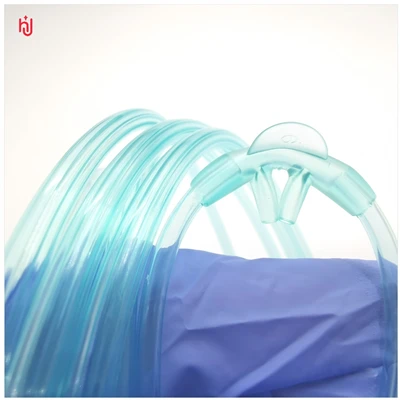
First, the most critical component of any catheter balloon is its base material—this isn’t the cheap rubber or latex party balloon you might be picturing. Catheter balloons require materials that are biocompatible, meaning they won’t trigger an adverse immune response when inside a patient’s body, have consistent tensile strength to resist rupture, and the right elasticity to inflate and deflate smoothly without degrading over time. For decades, latex was a common choice, and it’s still used for some specialized procedures, but it has major drawbacks: it’s a common allergen, which rules it out for millions of patients, and it can degrade over extended implantation periods, like the 4-6 weeks an indwelling Foley catheter might stay in place. That’s why modern manufacturers have shifted almost entirely to two synthetic polymers, each tailored to specific clinical needs: polyvinyl chloride (PVC) and polyurethane (PU), plus a newer hybrid material called Pebax that’s become a game-changer for high-demand applications.
Let’s start with PVC, the workhorse of catheter balloons. It’s affordable, easy to mold into precise shapes, and has consistent elasticity that works well for short-term use—like a Foley catheter, which is used to drain urine over days or weeks. The key with medical-grade PVC is that it’s not just any PVC; it’s formulated with special plasticizers to boost flexibility and stability. Low-density PVC with phthalate-free plasticizers is the standard now, to avoid toxicity risks, and it’s the go-to for most general-purpose urinary and intravenous catheters. But PVC has limits: it’s stiffer than PU or Pebax, so it’s not ideal for procedures that require the balloon to navigate tight, delicate spaces, like cardiac catheterizations.
That’s where polyurethane comes in, especially segmented polyurethane (SPU), which is designed for long-term implantation. SPU has a unique block copolymer structure: hard segments give it tensile strength to resist bursting under inflation pressure, while soft segments give it the stretch and flexibility to inflate evenly without tearing. This makes it perfect for balloons that need to stay in place for months, like those used in urological procedures or some vascular interventions. It’s also more flexible than PVC, so it causes less tissue irritation when inflated, which is a big win for patient comfort. The downside? PU is more expensive to process and more prone to bacterial adhesion if not coated properly, so it requires extra surface treatment during manufacturing.
The third core material is Pebax, a polyether block amide (PEBAX) that’s quickly become the top choice for interventional cardiology and other high-precision procedures. Pebax can be formulated with varying Shore hardness ratings—think of this as how stretchy or stiff the material is—so manufacturers can tweak it to have the exact balance of flexibility, strength, and kink resistance needed for balloons that have to navigate tortuous blood vessels. For example, a Pebax balloon used to widen a blocked coronary artery (a percutaneous coronary intervention, or PCI) needs to inflate to a precise, uniform size without bulging at the edges, even when pushed through narrow, curved vessels. Pebax’s memory properties mean it snaps back to its original shape after deflation, which reduces trauma to the patient’s vascular tissue when the catheter is removed. It’s also biocompatible, resistant to clot formation, and works well with the thin walls required for low-profile catheters, which is a huge benefit for minimally invasive procedures.
Now, once the base material is chosen, the balloon isn’t just a single piece of plastic—it’s a layered structure, with inner and outer linings and a functional coating that each serve a key purpose. Let’s start with the inner layer, which is the part that comes into direct contact with the inflation fluid. When a catheter balloon inflates, it’s filled with a sterile solution—usually saline or contrast dye for imaging—and if the inner layer is porous or reactive, fluid can leak into the catheter shaft, or the fluid can degrade the balloon material over time. The inner lining is typically made of a thin, dense film of the same base polymer, but it’s cross-linked during manufacturing to seal tiny pores and prevent fluid permeation. For Pebax balloons used in PCI, the inner layer might also be treated to resist the buildup of blood cells, which can clot and cause complications during the procedure.
Next, the outer layer is where most of the engineering focus happens, especially for balloons that need to perform under high pressure or in sensitive environments. This layer is thinner than the inner layer, but it’s responsible for the balloon’s structural integrity during inflation. For example, a balloon used in angioplasty inflates at pressures of 6 to 16 atmospheres—far higher than a party balloon, which inflates at around 1 atmosphere. The outer layer has to stretch to its exact design diameter at that pressure without rupturing, bulging unevenly, or leaving weak spots. To achieve this, manufacturers often emboss or pattern the outer surface during molding: tiny, evenly spaced grooves or ridges that control how the material stretches, ensuring the balloon inflates uniformly instead of becoming lopsided. This is a non-negotiable detail for cardiac balloons, where an uneven inflation could damage the artery wall or fail to fully open the blocked vessel.
The final, most often overlooked component is the functional coating applied to the outer surface of the balloon. Coating technology has advanced dramatically in the last 15 years, and it’s what separates a basic catheter balloon from one that improves patient outcomes. There are two main types of coatings: lubricious coatings and therapeutic coatings. Lubricious coatings are the most common, and they reduce friction between the balloon and the patient’s tissue or vessel wall during insertion and inflation. A balloon with a good lubricious coating slides smoothly through the body’s natural passages, meaning less force is needed to advance the catheter, which reduces the risk of tearing blood vessels or damaging delicate tissue. The coating is usually a hydrophilic polymer that absorbs water to create a slippery surface, and it’s bonded to the outer balloon layer with plasma treatment to make sure it doesn’t flake off during the procedure, which would create dangerous debris that could travel to the heart or brain.
Therapeutic coatings, on the other hand, are specialized for specific procedures. For example, drug-eluting balloons (DEBs) used in peripheral artery disease (PAD) or PCI are coated with a powerful anti-restenosis drug, like paclitaxel, that’s released into the vessel wall when the balloon inflates. The coating has to be engineered to release the drug in a controlled way—too fast, and the drug doesn’t stay in the vessel long enough to prevent re-narrowing; too slow, and it doesn’t work at all. These coatings also have to be biocompatible and not interfere with the balloon’s inflation or deflation properties, which requires precise formulation and testing.
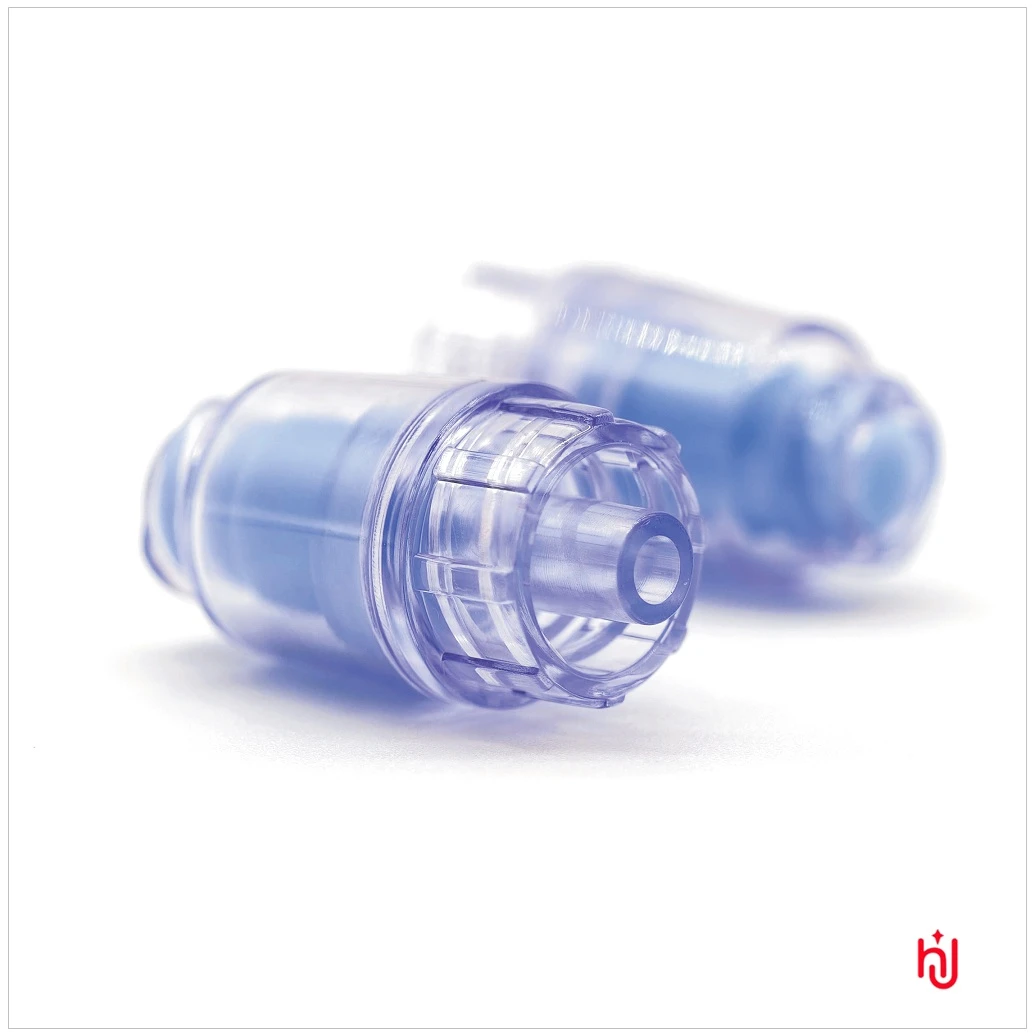
Beyond the material and layers, there are other specialized components that make a catheter balloon work as part of the overall catheter system. The balloon’s neck, for example, is the small, tapered section that connects the balloon to the catheter shaft. This part is often molded from a slightly stiffer version of the base material to ensure a tight, leak-proof seal, so inflation fluid doesn’t seep out between the balloon and the shaft. For urinary catheters, the balloon is also designed with a one-way valve system in the catheter shaft opposite the balloon: when you inject saline to inflate the balloon, the valve holds the fluid in, and a small release button deflates it when needed. That valve is a tiny, precision-molded plastic part, often made of silicone or a rigid polymer, that has to work perfectly hundreds of times without leaking or failing.
Let’s talk about why all this matters, especially from a supplier’s perspective. I’ve seen too many cost-cutting efforts in the medical device industry that skimp on these components—using generic latex instead of medical-grade PVC, or skipping plasma treatment for lubricious coatings—and the results are catastrophic. A 2021 study from the FDA’s Maude database (Manufacturer and User Facility Device Experience) reported over 1,200 adverse events related to catheter balloons between 2016 and 2020, including 180 patient deaths, most caused by balloon rupture during inflation, leaks that caused the catheter to dislodge, or debris from flaking coatings that led to blood clots. That’s why as a medical components supplier, I don’t just sell “balloons”—I deliver precision-engineered parts that meet ISO 10993 standards for biocompatibility, ISO 13485 for quality management, and have undergone rigorous testing for burst pressure, inflation uniformity, and coating adhesion.
The testing process for each component is just as important as the component itself. Before a balloon even reaches a device manufacturer, we test for tensile strength by stretching it to its maximum designed diameter to make sure it doesn’t tear. We test burst pressure by inflating it to pressures far higher than it will ever see in clinical use to confirm it won’t rupture. For coatings, we do in vitro friction testing to ensure the lubricious layer doesn’t degrade during 30 minutes of simulated movement through a vessel, and for drug-eluting balloons, we test drug release rates over 24 hours to ensure consistency. Even the smallest detail, like how the balloon is sterilized, is a component consideration: most catheter balloons are sterilized with ethylene oxide (EtO) gas, which can leave residual chemicals, so we have to ensure the inner layer is resistant to EtO and that residual levels are below FDA limits.
I’ve worked with dozens of device startups over the years that come to us thinking a balloon is a simple part, only to realize how much engineering goes into making one that’s safe and effective. A couple years ago, a small cardiac device company approached us with a prototype catheter that kept failing during PCI procedures—their balloon would bulge at the edges when inflated, leading to patient complications. We worked with their engineers to re-engineer the outer layer pattern, switching from a generic emboss to a custom design that controlled stretch at the balloon’s poles, and within three months, their failure rate dropped to zero. That’s the kind of impact a well-designed balloon component can have on patient care, and it’s why our team takes every part of the process seriously, from material selection to final testing.
At the end of the day, catheter balloons are a perfect example of how medical technology relies on the tiniest, most precise components to deliver life-changing care. What looks like a simple stretchy blob is actually a multi-layered, polymer-engineered system, built from biocompatible materials, precision-coated, and rigorously tested to perform in some of the most demanding clinical settings. For device manufacturers and providers, choosing the right catheter balloon components isn’t just about cost—it’s about patient safety, outcomes, and trust. If you’re developing a new catheter, or looking to upgrade your current components, we have the expertise and quality-controlled processes to help you find the right solution. Reach out to our team to discuss your specific needs, and let’s build components that make a difference for patients.
disposables in silicone References
- ISO 10993, Biological evaluation of medical devices
- ISO 13485, Medical devices — Quality management systems — Requirements for regulatory purposes
- U.S. Food and Drug Administration, Manufacturer and User Facility Device Experience (MAUDE) Database, 2016–2020
- Ratner, B. D., Hoffman, A. S., Schoen, F. J., & Lemons, J. E. (2018). Biomaterials Science: An Introduction to Materials in Medicine, 4th Edition. Elsevier Academic Press.
- Gabbay, J., et al. (2021). Catheter balloon failure rates and associated adverse events: Analysis of FDA MAUDE data. Journal of Medical Devices, 15(3), 031005.
Guangdong Huaju Medical Technology Co., Ltd.
Guangdong Huaju Medical Technology Co., Ltd. is one of the most professional medical components / parts manufacturers and suppliers in China, featured by quality products and good service. Please rest assured to buy bulk premium medical components / parts made in China here from our factory.
Address: FLOOR 3-4-5, BLOCK B, ZHONGJING RD #12, ZHONGSHAN, GUANGDONG, CHINA 528437
E-mail: celia@endotra.com
WebSite: https://www.endotra.com/
