If you’ve spent any time looking into solar energy, you’ve probably heard about panels, inverters, and batteries — the components that get all the marketing attention. But as a power distribution equipment supplier who’s worked with residential, commercial, and utility-scale solar projects for over a decade, I can tell you there’s a whole other layer of gear that keeps those systems running safely, reliably, and efficiently: solar power distribution equipment. Most people don’t notice it, but without it, even the most high-tech solar installation is just a collection of expensive parts sitting in the sun. Let’s break down what it is, why it matters, and how it fits into the bigger picture of a solar system. Power Distribution Equipment
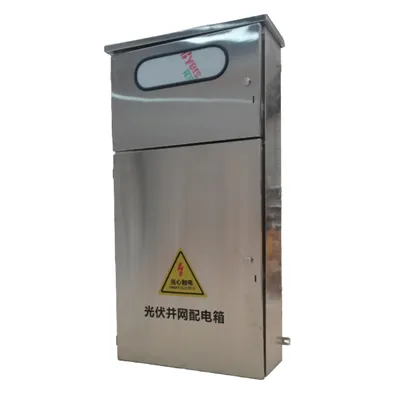
First, let’s set the basics: a solar system generates electricity in two forms. The panels produce direct current (DC), which flows in one direction, and the grid uses alternating current (AC), which cycles back and forth. Inverters handle that conversion, but that’s just one step in moving power from the panels to where it’s needed. Power distribution equipment for solar is the network of devices that manage, control, route, and protect that electricity at every stage of its journey. It’s like the electrical equivalent of a logistics manager: it makes sure power goes where it’s supposed to, stops it when it shouldn’t, and keeps everything from overloading or short-circuiting.
To understand its role, let’s walk through a typical small commercial solar project, the kind we supply equipment for all the time. The system starts with 50 rooftop solar panels, each producing 400W DC, so total generation is 20kW DC. Those panels are wired together in strings — usually 10 panels per string, to match the inverter’s DC input voltage. But to get that DC power from the roof to the inverter, we need combiner boxes. That’s the first key piece of distribution equipment for many solar setups. Combiner boxes take the output of multiple parallel strings of panels, combine them into a single DC feed, and add overcurrent protection for each string. Think of each string as a separate water hose; a combiner is the manifold that connects all the hoses into one big hose, with individual valves (fuses or circuit breakers) for each hose so if one leaks or bursts, you don’t lose the whole system.
Once the DC power leaves the combiner, it goes to the inverter, where it’s converted to 240V AC — standard for commercial buildings. But even after conversion, that AC power isn’t ready to use directly. That’s where distribution boards (also called load centers or panelboards) come in. These are the central hubs that split the main AC feed into smaller circuits for different parts of the building: lighting, HVAC, office equipment, and any solar backup systems. Without a distribution board, you’d have one unprotected wire feeding the entire building, which means if a single appliance short-circuits, the whole building loses power. Distribution boards add circuit breakers for each individual circuit, so a fault in one only cuts that line, keeping the rest running. We also offer metering equipment here too — bidirectional meters that track both how much solar power the system produces and how much electricity is drawn from the grid, which is essential for net metering agreements. Net metering lets homeowners and businesses sell excess solar power back to the utility, and accurate metering relies on specialized distribution gear calibrated for solar’s unique power flow.
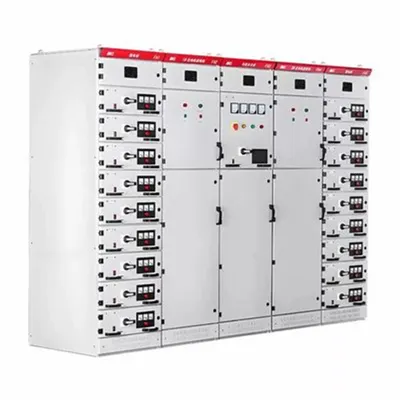
Now, for larger systems — utility-scale farms or microgrids — the distribution equipment gets more complex, and that’s where a lot of new installers run into trouble. A 10MW solar farm has thousands of panels, organized into hundreds of string combiners, each feeding into a central inverter bay. From there, the AC power is stepped up to medium voltage (10kV, 35kV, even 110kV) using transformers, so it can be sent over long distances to the substation. Distribution equipment here includes medium-voltage switchgear, which controls the flow of power between the inverters, transformers, and the grid. Switchgear uses circuit breakers, disconnect switches, and relays to isolate faults quickly — in milliseconds — to prevent equipment damage or fires. We’ve seen projects skip high-quality switchgear, only to have a string of panels arc and shut down half the farm for a week while they waited for replacement parts. That’s why we prioritize durable, grid-compliant switchgear for utility installations; it’s not just gear, it’s the safety net that keeps multi-million-dollar assets operational.
Another often-overlooked piece of solar distribution equipment is the disconnect switch. Every solar system is required by code to have a visible disconnect between the panels and the rest of the system, both for routine maintenance and emergencies. When a technician needs to work on the panels, they flip the disconnect to shut off DC power, eliminating the risk of electrocution. For grid-tied systems, there’s also a utility disconnect that lets the utility cut off power to the solar system during outages — a critical safety feature for line workers who don’t want to be energized by a homeowner’s solar array feeding power back into the grid mid-repair. We make sure our disconnect switches are rated for both DC and AC, weatherproof for outdoor installations, and easy to lock out for maintenance, because compliance isn’t optional here.
Protection equipment is a huge part of solar distribution, too, and it’s not just about circuit breakers. Surge protection devices (SPDs) are essential for systems in areas with lightning or frequent voltage fluctuations. Solar panels are mounted on roofs or open fields, making them prime targets for lightning strikes; even a nearby strike can send a power surge through the wiring that can fry inverters, distribution boards, and other gear. SPDs sit at key points in the distribution chain — at the combiner, inverter, and main distribution board — diverting excess voltage to the ground before it can damage sensitive electronics. Last year, we supplied SPDs to a customer whose 500kW commercial system was hit by lightning; the SPDs tripped immediately, saving $40,000 worth of equipment that would have been lost without them. That’s the kind of real-world impact this equipment has.
So why does this matter beyond just the technical specs? For solar systems, efficiency is everything. The more power you lose in distribution, the less you get to use or sell back to the grid. High-quality distribution equipment has low-loss connections, efficient transformers, and smooth power management that cuts down on energy waste. A cheap combiner box, for example, might have loose terminals that cause 2-3% power loss, which over a year on a 100kW system adds up to hundreds of dollars in lost revenue. That’s why as a supplier, we don’t just sell parts — we help our customers size the right equipment for their system, factor in their local climate and utility requirements, and make sure every piece works together seamlessly. A lot of installers focus on panels and inverters, but a system is only as good as its weakest distribution component.
We also work with a lot of customers who are moving toward energy storage, which adds another layer to distribution. When batteries are added to a solar system, the distribution equipment has to manage power flow between the panels, inverter, battery, and grid. For off-grid systems, distribution equipment coordinates charging the batteries from solar and discharging power to the home when the sun isn’t shining. For grid-tied with storage, it manages excess solar power going to the batteries instead of the grid, which lets customers reduce their grid draw even more. That’s an area of growth we’re excited about — the line between solar distribution and energy management is blurring, and we’re developing equipment that supports both traditional grid-tied systems and modern hybrid setups.
Now, let’s talk about common misconceptions. Some people think that because solar is renewable, distribution equipment is the same as regular grid equipment. That’s not true. Solar systems have unique power characteristics: DC power from panels varies based on sunlight, and bidirectional power flow (excess solar back to the grid) means distribution gear has to handle power going two ways, not just one. Grid equipment is designed for steady, one-way flow, so using it for solar can lead to inefficiencies or safety issues. That’s why specialized solar distribution equipment is non-negotiable for compliant, high-performing systems.
For anyone looking to install a solar system, whether it’s a small residential setup or a large commercial farm, take the time to understand the distribution components. Ask your installer what combiner boxes, switchgear, and metering they’re using — don’t just focus on panel wattage and inverter efficiency. The right distribution equipment will not only keep your system safe, it will maximize its output and lifespan. We’ve been in this business long enough to see projects that cut corners on distribution end up costing more in repairs, downtime, and lost revenue down the line.
If you’re planning a solar project, whether you’re a contractor, a business owner, or a homeowner, we can help. We supply a full range of solar power distribution equipment, from small residential load centers to medium-voltage switchgear for utility farms, and we have the expertise to help you design a system that’s safe, efficient, and compliant with local codes. We work with installers and end-users alike, offering tailored solutions to fit every project size and budget.
If you’d like to discuss your solar project needs, or learn more about how our distribution equipment can support your system, we’re here to help. Reach out to start a conversation about your requirements, and we’ll provide guidance and solutions tailored to you.
Steel Structure Bracket References
- International Electrotechnical Commission (IEC) 60364: Electrical installations for buildings
- National Electrical Code (NEC) 2023, Article 694: Solar Photovoltaic Systems
- U.S. Department of Energy, Office of Energy Efficiency & Renewable Energy, “Solar Distribution System Design Guidelines”
- International Association of Electrical Inspectors (IAEI), “Best Practices for Solar Power Distribution Equipment”
Si County Haneng Chengxin Electrical Engineering Co., Ltd.
As one of the most professional power distribution equipment manufacturers and suppliers in China, we also support customized service. Welcome to buy advanced power distribution equipment made in China here from our factory. If you have any enquiry about pricelist, please feel free to email us.
Address: Hanergy Green Building Science Park, Economic Development Zone, Sixian County, Anhui Province
E-mail: 19166759898@163.com
WebSite: https://www.hannenglvjian.com/
