Hey everyone,
If you’ve ever spent time wandering a traditional Chinese garden—whether it’s in Suzhou, Hangzhou, or even a small community garden in a Western city—you’ve probably stumbled upon Taihu stones. Those weird, pocked, misty-looking rocks that feel like they hold a little bit of ancient water magic? I’ve been selling these bad boys for 8 years, and let me tell you, one of the most common questions I get isn’t about where they come from (they’re mined from the limestone beds of Lake Tai, obviously) or how they get those holes (water erosion over thousands of years), it’s about size. Folks just don’t know what’s standard, what’s random, and what size even fits what they’re trying to do. So let’s break this down like we’re chatting over a cup of tea (no stuffy geology textbooks, promise). Taihu Stone
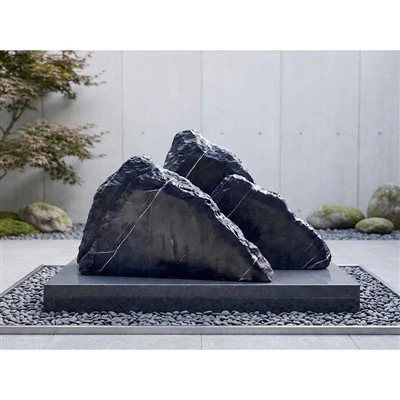
First off, let’s get this out of the way: Taihu stone sizing isn’t like picking out a shirt. There’s no one “one size fits all” because each stone is unique—its holes, its shape, its weight, all depend on how long it sat in Lake Tai’s waves. But that doesn’t mean there’s no common, usable size range for most projects. I see way too many new gardeners or landscape designers go into a market and grab whatever’s big, or whatever’s tiny, only to realize it doesn’t work. So let’s split this into the categories we actually deal with every day, okay?
The Micro Ones: Tiny Enough for Desktop Vents or Mini Bonsai Trays
This is the most underrated size, and honestly, it’s my go-to for hobbyists who don’t have a full backyard. Micro Taihu stones are anything under 6 inches tall—think the size of your phone (like, a small iPhone 14, not the Pro Max). These little guys are perfect for so many random, cool projects: filling gaps in rock gardens that are too small for bigger rocks, adding a tiny pop of that classic Taihu vibe to a mini zen garden, or even propping up the base of a bonsai tree (bonsai masters swear by these because they mimic the look of a mountain range without cluttering the tiny pot).
Wait, but let’s be real—don’t mistake these for cheap, knockoff stones. Real micro Taihu still has those indentations, the slightly porous feel, the weathered gray color that’s not too bright. I’ve got a bin of these at my warehouse that I sell for like $5 each, and they fly off the shelf when people are putting together centerpieces or tiny water features for apartment windowsills. A lot of first-time customers laugh at how small they are, then come back a month later begging for 20 more. Don’t sleep on the micro ones.
The Small Residential Ones: 1–3 Feet Tall (Yard-Friendly, No Permits Required)
Next up is the sweet spot for most home gardeners—small Taihu stones between 1 and 3 feet tall. This is the size that looks natural in a backyard, not like you’re trying to build a rock wall. I’d say 90% of the residential orders I get are in this range. Why? They’re manageable for one person to move (no fork truck needed!), they don’t overpower a small lawn or patio, and they fit perfectly with other plants—you can tuck them between hydrangeas, place them near a pond edge, or even use them as a focal point in a small courtyard.
Wait, let’s be specific: a 2-foot Taihu stone is about the height of a kitchen countertop. That’s a good benchmark. If you’re working with a 1,000-square-foot yard, this is the size you want. If it’s a tiny urban patio, maybe stick to 1–2 feet, not 3. The key here is that these stones still have all the Taihu characteristics—no flat sides, lots of those organic holes, that uneven shape that makes it look like it’s been there for decades, not just hauled in last week.
I’ve had customers tell me they used a pair of these (one 2 feet, one 1.5 feet) to flank their front porch steps, and it totally transformed their curb appeal. No fancy landscaping needed, just two cool rocks that look like they belong. Pro tip here: if you’re buying small residential stones, ask if the supplier has “complementary” pairs—some stones are shaped to go together, like they’re two halves of a tiny mountain. It’s a little extra, but worth it.
The Medium Landscape Ones: 3–6 Feet Tall (Statement Pieces for Bigger Spaces)
Now we’re getting into the “wow” size. Medium Taihu stones between 3 and 6 feet tall are what landscape designers use for larger properties, community parks, or even commercial spaces—like the lobby of a hotel or a corporate office’s outdoor garden. Let’s put that height in perspective: 3 feet is about the height of a toddler, 6 feet is about the height of an average adult. That’s big enough to be a statement, but not so big that you need a crane to move it (wait, most of the time—if it’s 5.5 feet, you might need two people, but that’s it).
I sell a lot of these to designers for projects like this: a Taihu stone as the centerpiece of a community garden, surrounded by native flowers; or three medium stones grouped together to mimic a small mountain range in a public park. The thing about medium Taihu is that their size makes them versatile, but they still have that classic, weathered look that doesn’t feel out of place in any setting. People often ask if you can put these in water—hell yeah, you can. I’ve got a 4-foot stone that’s been sitting at the edge of my friend’s koi pond for 5 years, and it’s perfect, algae and all.
One thing I will say about medium stones: don’t buy a “generic” medium stone. You want one that has a natural indentation near the top, or a little overhang, something that catches the eye. A flat, blocky medium stone is just a rock—you want that pockmarked, uneven shape that makes it look like it’s from Lake Tai. Most reputable suppliers (ahem) will let you see photos of the actual stone before you buy, so use that. I never send a customer a stone I wouldn’t put in my own backyard.
The Giant Monumental Ones: 6+ Feet Tall (For Historic Spaces, Large Estates)
Okay, so we’re talking big boy size here—giant Taihu stones over 6 feet, some even up to 10 feet tall. These are not for the average homeowner. These are for historic gardens, large estates, or even as art installations in big cities. Let’s be real: a 8-foot Taihu stone would take two forklifts to move, weigh close to a ton, and cost a pretty penny. But when you see one, you get it. These are the stones that you read about in Suzhou’s classic gardens, the ones that have been curated for centuries.
I don’t sell a ton of these—maybe 1 or 2 a year—because they’re expensive and require special delivery. But when I do, it’s usually for a client restoring a historic garden, or a wealthy collector who wants a showstopper for their property. The cool thing about these giant stones is that they often have a story. Some have carvings from ancient Chinese scholars, some have been polished by centuries of rain and wind. A lot of people use these as standalone art pieces, surrounded by a small pool so you can see their reflection (which makes them look even bigger).
Wait, What About Weight? Because Size Isn’t Just Height
Hold up—size isn’t just how tall a stone is. Weight is a big part too, especially if you’re planning to install it yourself (or hire someone to). A micro Taihu stone is maybe 2–5 pounds, easy to carry. A small residential 1-foot stone is around 20–30 pounds, still manageable. A medium 4-foot stone is 200–300 pounds, so you’ll need a hand truck and a couple of buddies. A giant 8-foot stone? That’s 1,500+ pounds, so you definitely need professional equipment.
I always tell customers to factor weight into their plans. A lot of people see a 2-foot stone and think “no problem lifting it,” then try to carry it and drop it on their foot (ask me how I know—okay, don’t, it’s embarrassing). Always ask your supplier for the approximate weight of the stone, and plan accordingly.
Common Mistakes I See (And How to Avoid Them)

Let’s wrap this up with the stuff I see new buyers mess up all the time. First: don’t buy a stone that’s too small for your space. A micro stone in a 2,000-square-foot yard is just going to get lost. Second: don’t buy a stone that’s too big. A 7-foot stone in a tiny city patio will make the space feel cramped, not magical. Third: don’t ignore the shape. Two stones can be the same height, but one looks like a mountain, the other looks like a brick. Always pick the one with the organic, pockmarked shape.
Wanna Talk More?
Water Feature Stones If you’re working on a project—big or small—and you want to chat about which Taihu stone size is right for you, hit me up. I’ve got samples in my warehouse, I can send photos of actual stones (not stock pics), and I’ll give you the real scoop, no sales pitch. Whether you’re doing a tiny zen garden for your apartment, a backyard oasis, or a historic restoration, I’m here to help.
References
- Wang, Y. (2019). Traditional Garden Stones of the Jiangnan Region. Jiangsu Fine Arts Publishing House.
- Local Limestone Resources Survey, Lake Tai Basin (2021). Taihu Stone Mining and Characteristics. Suzhou Geology Bureau.
- Zhang, L. (2022). Contemporary Applications of Taihu Stones in Western Landscape Design. Journal of Chinese Garden Art.
Orin International Trade Co., Ltd.
With abundant experience, we are one of the most professional taihu stone manufacturers and suppliers in China. We warmly welcome you to wholesale custom made taihu stone from our factory. If you have any enquiry about cooperation, please feel free to email us.
Address: No.3-1, Shangzhongdi Natural Village, Hexian Village, Shuangta Sub-district, Jiangshan City, Quzhou City, Zhejiang Province
E-mail: atlas@orinstone.com
WebSite: https://www.orinstone.com/
